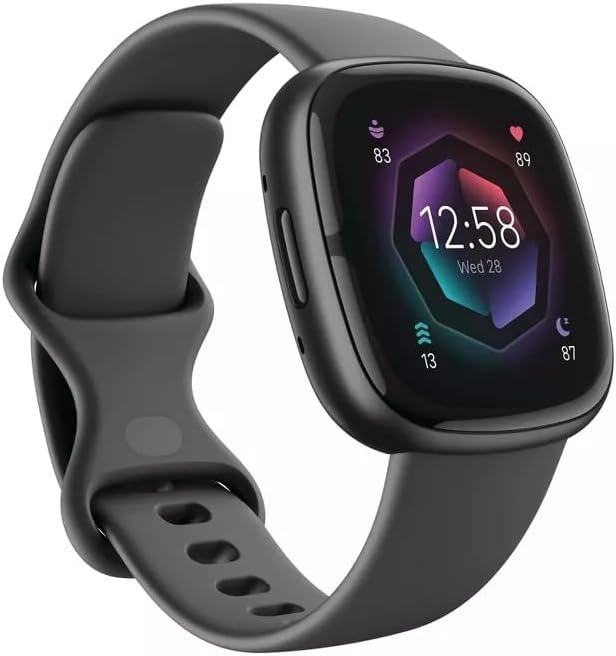
Fitbit Sense 2 Smartwatch – Advanced Health & Fitness
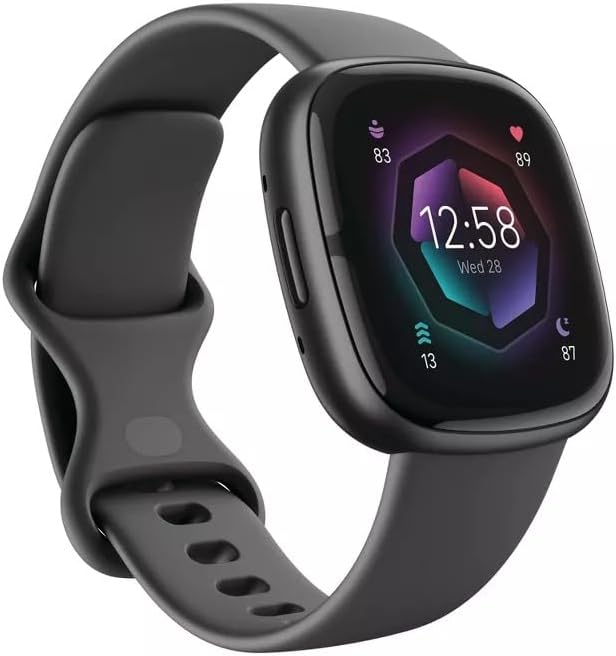
The Fitbit Sense 2 combines continuous heart-rate tracking, ECG-style measurements, SpO2 sensing, GPS and guided stress and sleep tools in a single wearable. It’s aimed at people who want consolidated health and activity data rather than separate gadgets, and it pairs with a companion app that surfaces trends and guided insights.
Overview
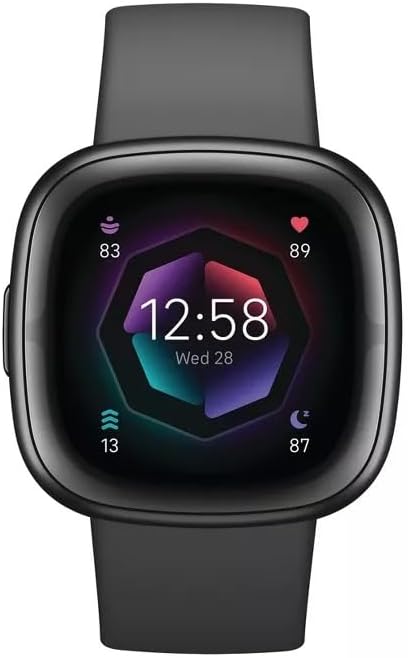
This wrist-worn tracker bundles continuous heart-rate monitoring, an on-demand ECG app, blood-oxygen sensing, and built-in GPS with stress and sleep management tools. The collected biometric signals feed trend summaries and guided insights in the companion app so you can spot patterns in recovery, daily strain and overnight rest.
It’s targeted at casual exercisers and people who want one wearable for health and activity rather than multiple devices. If you prefer a slimmer tracker instead of a full-feature smartwatch, see our Fitbit Inspire 3 review for a lighter alternative that focuses on core activity and sleep tracking.
Key Features
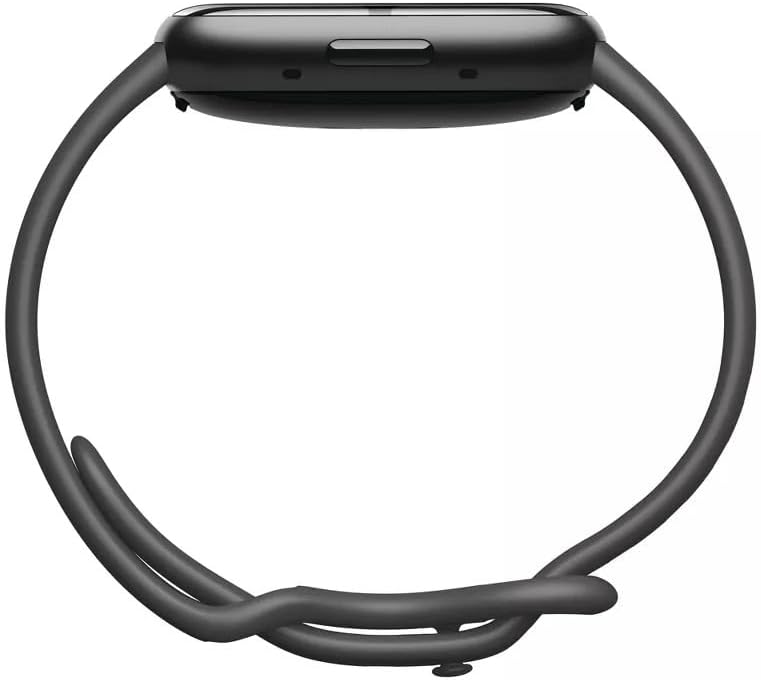
The Sense 2 pairs optical heart-rate tracking and SpO2 sensing with an ECG app and standalone GPS so you can do phone-free outdoor workouts. On-wrist measurements and guided breathing or stress-management sessions feed the companion app’s trend views for recovery and sleep.
Practical perks include phone-free GPS for runs, continuous heart data to judge workout effort, and detailed sleep staging to help understand nighttime disturbances. If you’re comparing smartwatch fitness features with daily readiness insights, our article on Versa 4 fitness features highlights how different Fitbit models emphasize training metrics and recovery.
Real-World Performance

Wearing the Sense 2 day and night is comfortable enough to keep continuous tracking active, and the device generally produces consistent activity counts, resting heart-rate trends, and sleep staging. Like other wrist optical sensors it may smooth or lag during very intense intervals, and fit affects signal quality.
GPS and heart-rate data are useful for runs, walks, and gym sessions, but occasional irregular readings or brief signal loss can occur during rapid motion. For another perspective on day-to-day tracking trade-offs and a lighter tracker option, see our Inspire 3 detailed review to compare form factor and feature sets.
Battery life depends on settings and use — heavy GPS or continuous monitoring reduces time between charges — and some deeper analytics require a companion-app subscription. Overall, it’s a solid everyday monitor when you keep realistic expectations about consumer sensor limits.
Ease of Use and Maintenance
Out-of-the-box setup is guided by the companion app: power the watch, open the app on your phone and follow the prompts to pair and configure preferences. The touchscreen and gestures are straightforward, and most daily features are reachable with a few taps and swipes.
Firmware and app updates arrive through the companion application; installing them keeps tracking and connectivity reliable. Clean the case and bands with a soft, damp cloth, avoid harsh chemicals, and let skin dry under the device after heavy sweating to reduce irritation.
Bands are easy to swap and replacements are widely available. Charging is handled with the supplied accessories; battery replacement and warranty details vary by model and region, so check the paperwork or support channels for specifics.
Pros and Trade-Offs
The Sense 2 excels as an all-in-one health and fitness companion: ECG-style readings, SpO2 tracking, continuous heart-rate monitoring, stress tools and on-device GPS make it useful for daily health awareness and structured workouts. The companion app surfaces long-term trends and recovery insights, and included band sizes improve day-and-night comfort.
Trade-offs include reliance on a paired smartphone for the most detailed reports, possible subscription requirements for premium insights, and the consumer-grade limits of wrist sensors — it’s not a medical diagnostic device. Heavy feature use also affects battery life, so plan charging around your habits.
Who This Product Is For
This is a good pick for people who want deeper on-wrist health insights rather than just step counts — especially those focused on managing stress, improving sleep, and tracking heart and SpO2 trends. It also suits active users who value built-in GPS and continuous heart-rate monitoring for runs, rides and mixed training.
Skip it if you only need a no-frills notification watch or require clinical-grade medical monitoring; the device is meant for consumer health tracking and is not a replacement for professional equipment. Feature availability and included accessories may vary by model and region, so confirm the exact configuration before buying.
As an Amazon Associate, I earn commission on qualified purchases.
![2Pack Upgraded for Apple Watch Charger USB Magnetic Wireless Fast iWatch Charger Portable Compatible with iWatch Ultra/Series 10/9/8/7/6/SE/SE2/5/4/3/2/1-[3.3FT] Review](https://happywatchesnow.com/wp-content/uploads/2025/09/featured-61s4sw1FpVL-AC-SL1429-jpg-768x806.jpg "2Pack Upgraded for Apple Watch Charger USB Magnetic Wireless Fast iWatch Charger Portable Compatible with iWatch Ultra/Series 10/9/8/7/6/SE/SE2/5/4/3/2/1-[3.3FT] Review 8")