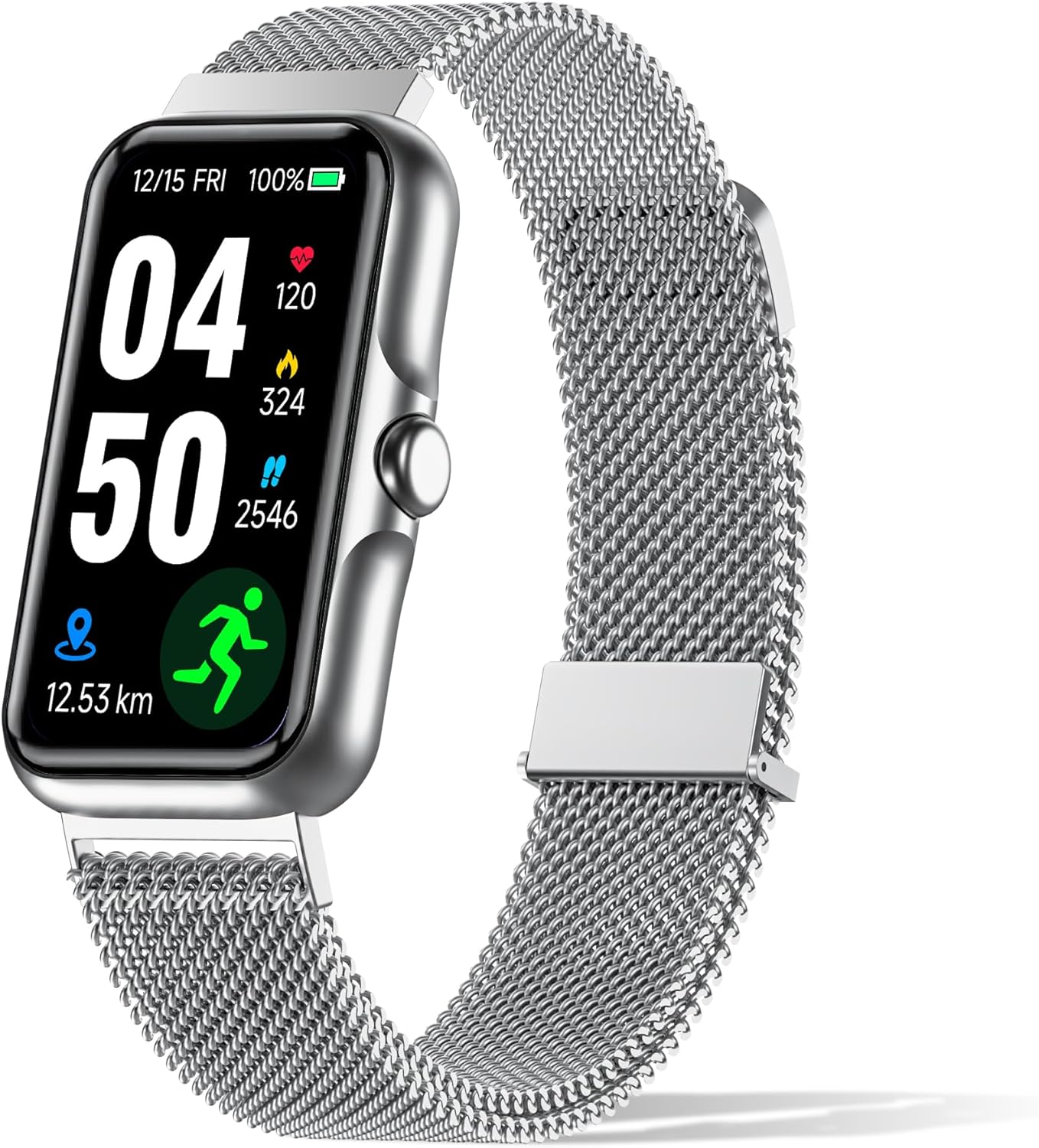
Fitness Tracker: 24/7 Heart Rate & Blood Oxygen Monitor
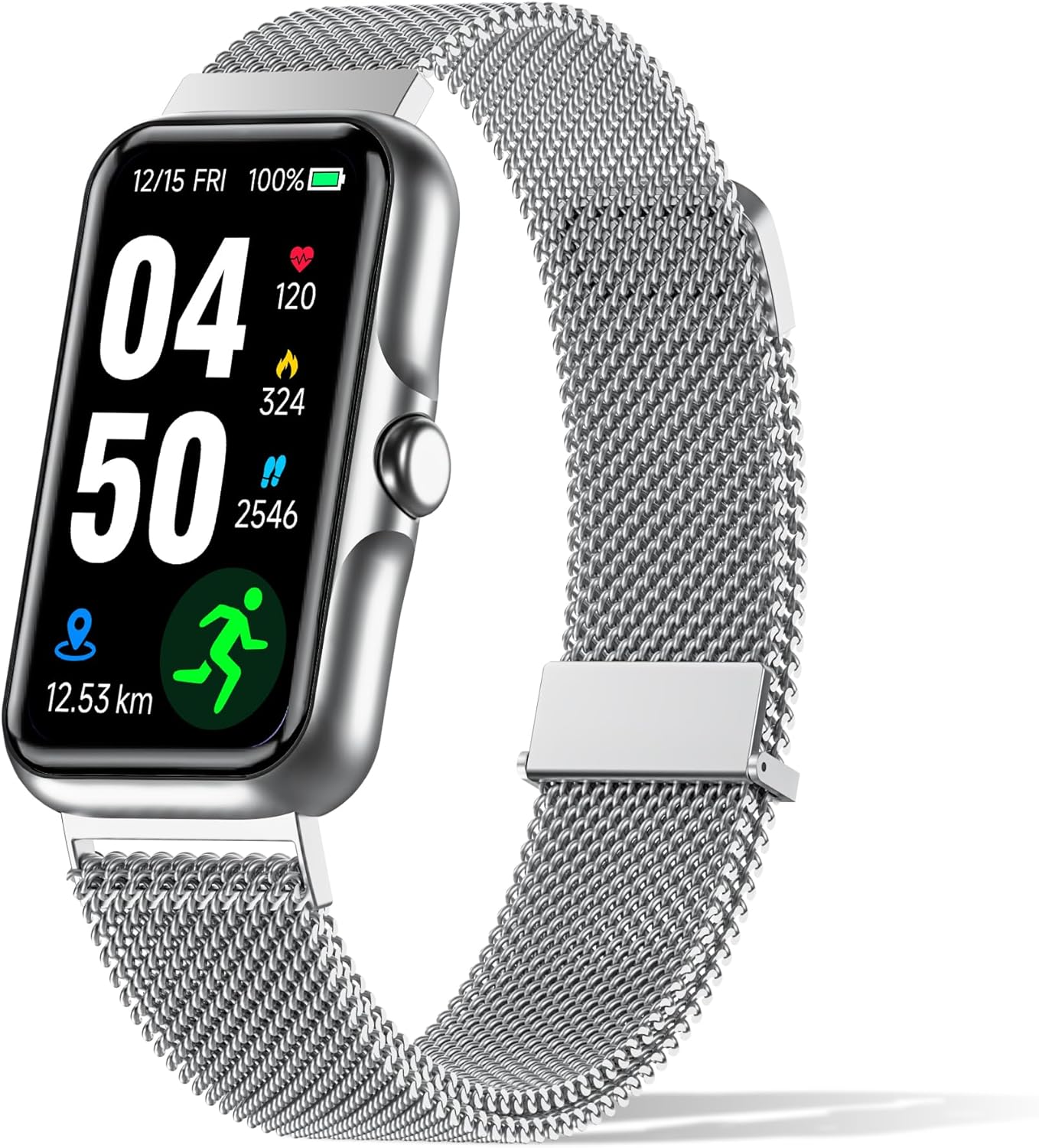
This fitness tracker combines continuous heart-rate sensing, pulse oximetry and sleep tracking with basic activity features in a single, wearable package. It’s designed for round‑the‑clock use so you can monitor trends in heart rate, SpO2 and sleep without juggling multiple devices.
Overview
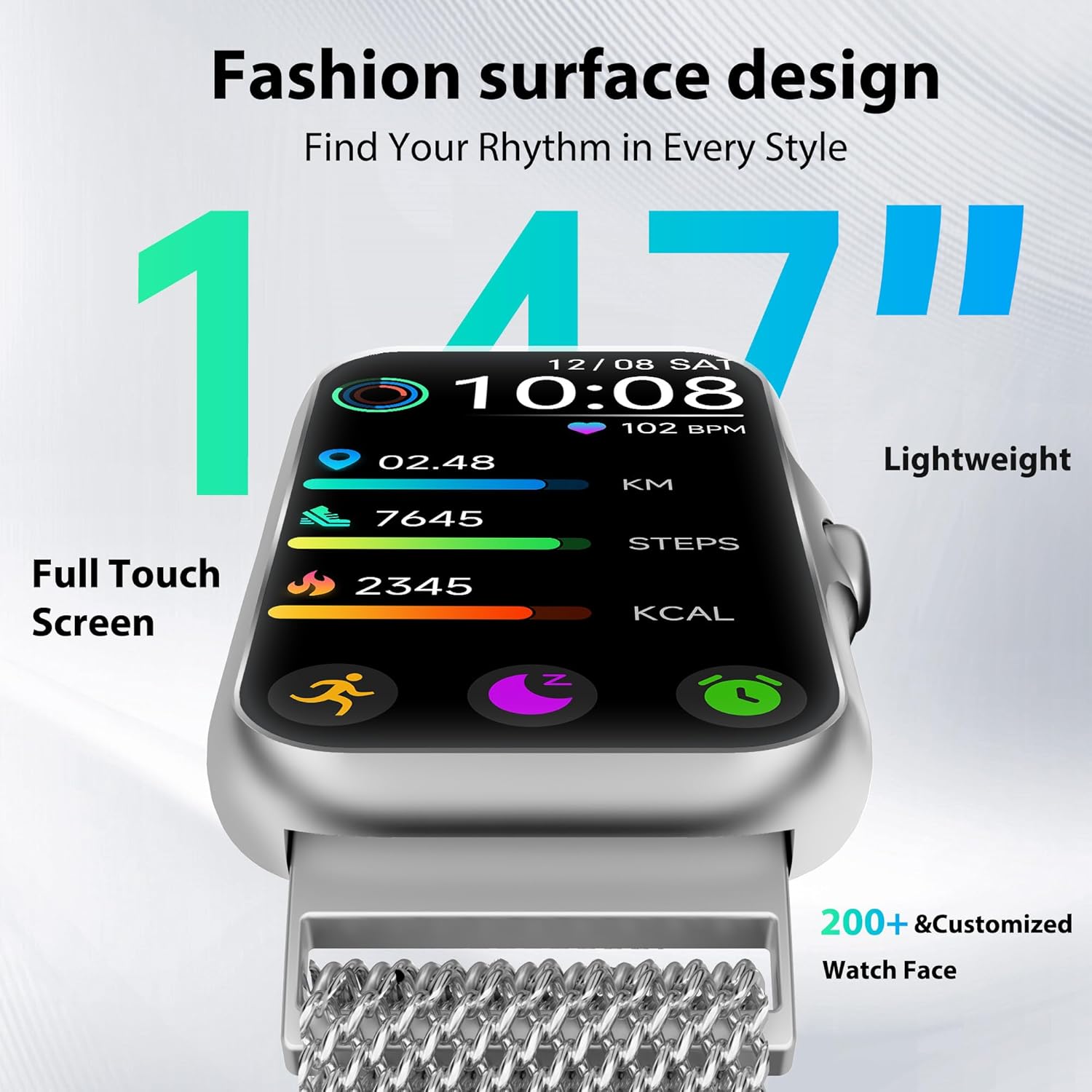
This is a wrist-worn health and activity tracker that brings together continuous heart-rate sensing, blood-oxygen monitoring, sleep tracking and basic smartwatch functions in a single device. It’s built to be worn throughout the day and night so you can capture trends in vital signs and daily movement without switching gadgets.
In everyday use it records heart-rate and SpO2 readings, logs steps and general activity, and tracks sleep patterns to give a picture of rest and recovery. There are also common convenience features like alerts and timers; the exact set of functions and how they display data varies by model/version.
The device is aimed at people who want a straightforward, all-in-one wearable to monitor wellness and encourage more consistent activity. It’s useful for casual exercisers, those curious about sleep quality, and anyone who prefers having multiple health metrics consolidated on their wrist.
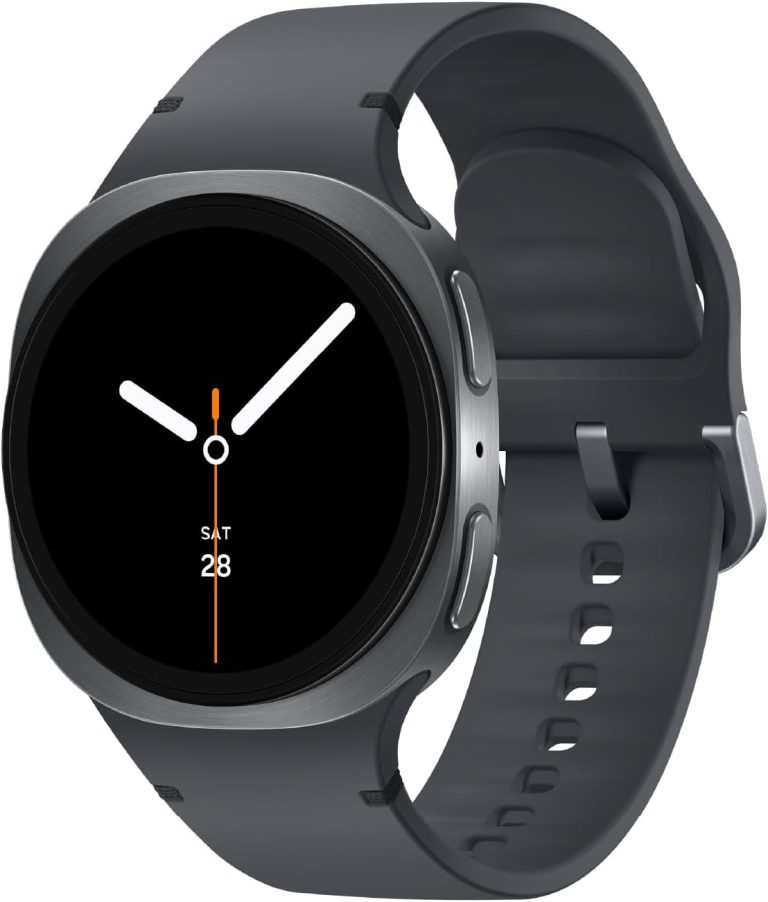
Practical considerations include how data syncs to a companion app and the device’s resistance to water and sweat, which vary by model/version. If you want a single wearable to watch daily trends rather than clinical-grade readings, this type of tracker is designed to solve that everyday monitoring need. For a broader selection of similar devices, check our guide to smart watches for men and women.
Key Features
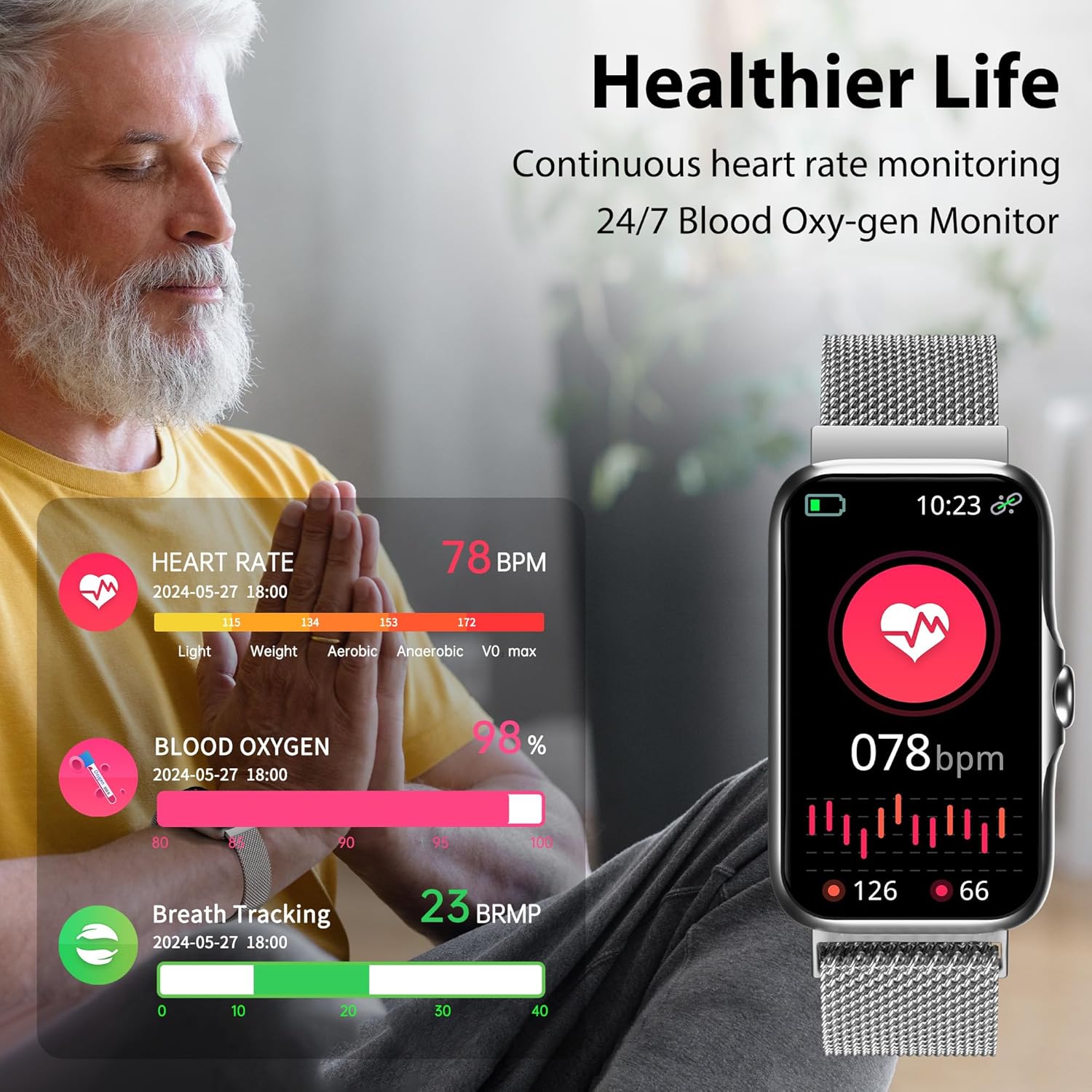
Continuous heart-rate monitoring provides a steady stream of pulse data that helps reveal trends across the day and night. That constant tracking is useful for pacing workouts, noticing changes in resting heart rate, and comparing recovery over time, though it’s not a substitute for professional medical devices.
Blood-oxygen sensing combined with sleep tracking gives a fuller picture of nighttime recovery and breathing patterns. The sleep feature records sleep duration and stages so you can compare nights and spot patterns, with the exact metrics available varying by model/version.
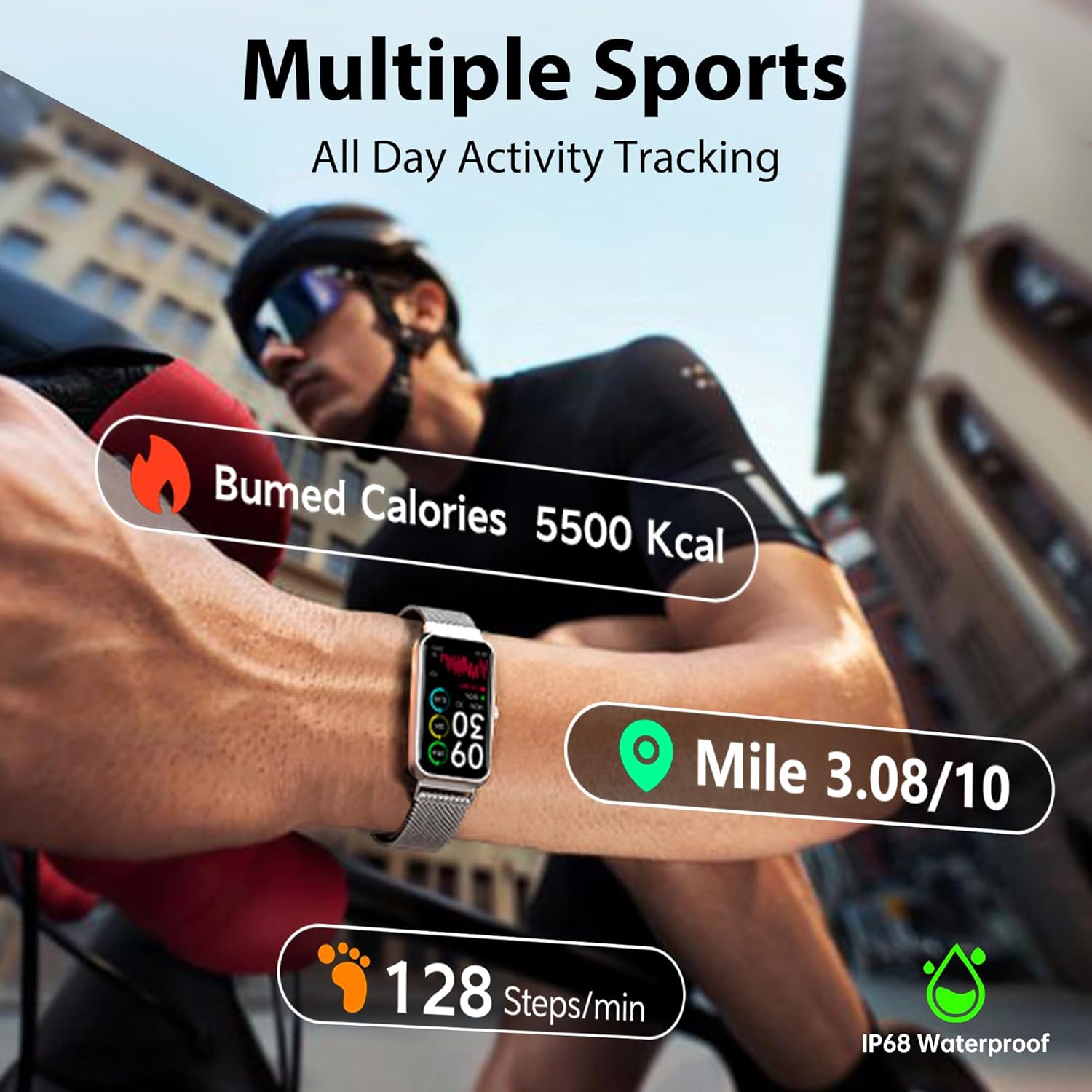
Everyday activity tracking — step counting, distance estimates and sport modes — supports basic fitness goals and makes casual movement easier to measure without manual logging. The IP68 water resistance means the unit tolerates sweat and splashes; specific depth and duration limits vary by model/version, so check those details if you plan to use it for swimming. If you want a tracker with integrated blood pressure or extended heart monitoring features, see our MorePro tracker review for a point of comparison.
A paired mobile app stores historical data and surfaces trends, while on-device alerts and watch faces make the device useful for daily wear. Battery life and available customization options depend on the version you choose, and ongoing accuracy can be influenced by fit, placement, and usage.
Real-World Performance
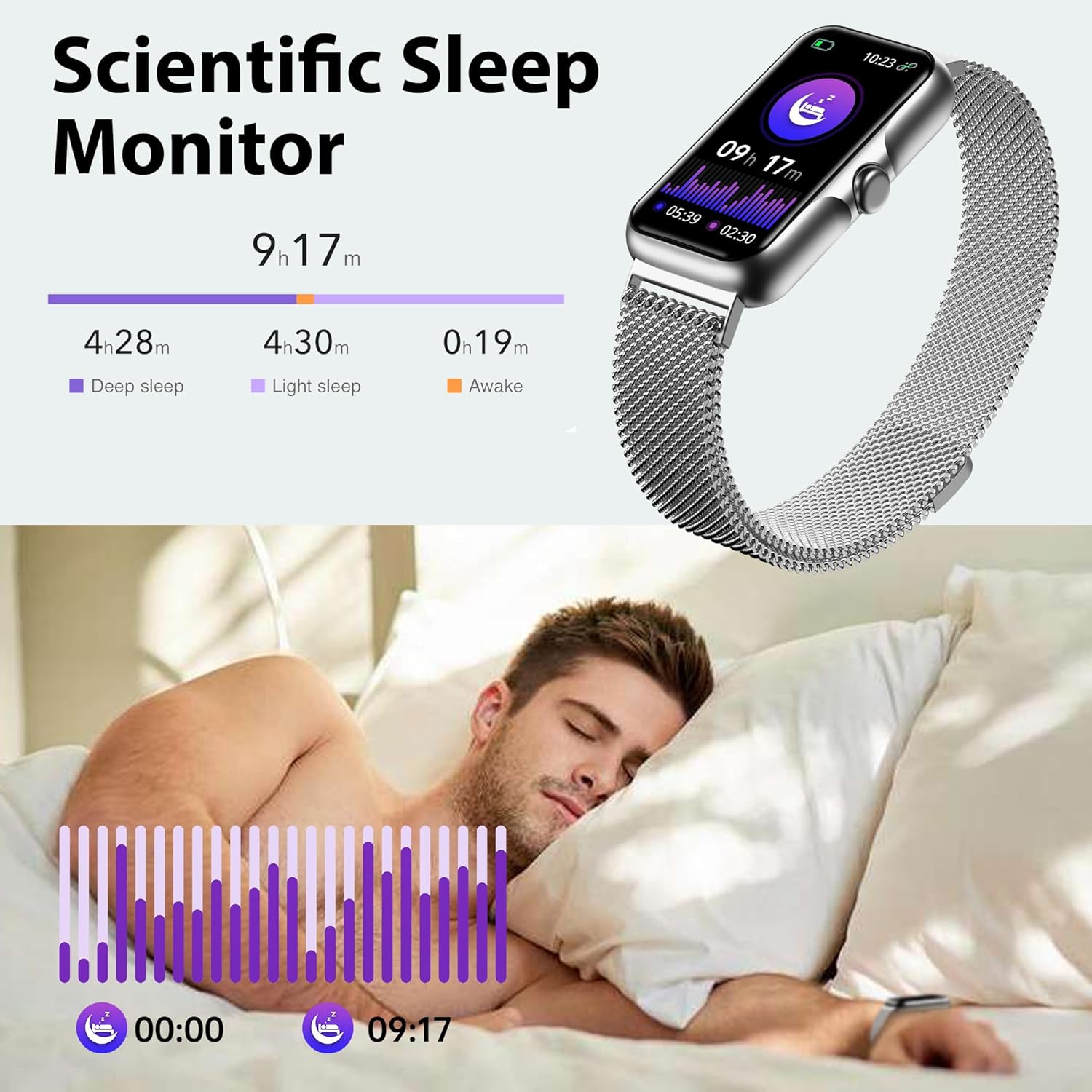
In everyday use the sensors are unobtrusive and the device is comfortable enough to wear around the clock. Heart-rate and blood-oxygen readings are handy for spotting trends and short-term changes, but values can vary during very intense movement or an irregular fit. Battery performance and some sensor behaviors vary by model/version, so real-world runtime depends on your selected features and how often you sync.
Activity tracking is dependable for routine walking, stair-climbing and general step counts, though wrist-based monitors can miscount during non-walking arm motion or some gym movements. Sleep detection gives clear, easy-to-read trends about time asleep and interruptions, but it is intended for personal tracking rather than medical diagnosis. Pulse oximetry is useful for trend awareness rather than precise clinical measurement.
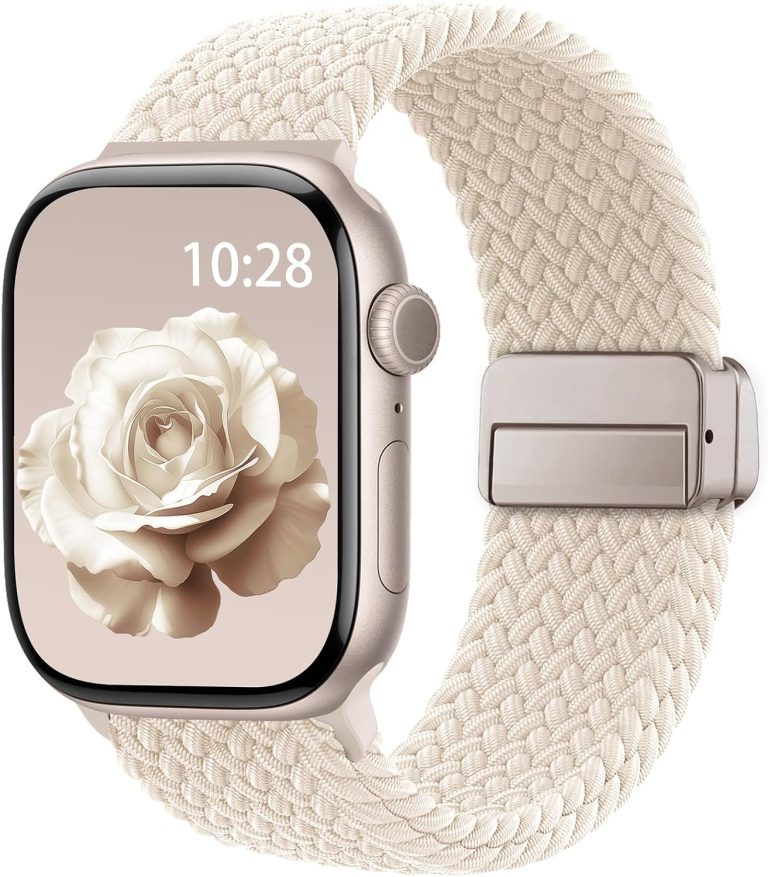
The IP68 rating means resistance to sweat and splashes in normal daily life, but it’s wise to avoid prolonged submersion or exposure to hot water and steam. Notifications and app syncing are straightforward for most phones, and touchscreen responsiveness is fine in typical conditions though it can be affected by wet skin; firmware and app updates may adjust behavior over time. For alternative form factors, you might also look at smart bracelets that prioritize simplicity over app integration.
Ease of Use and Maintenance
Getting started is straightforward: charge the device, install the companion app on your phone, and follow the in-app pairing prompts to sync activity and health data. The app typically guides you through permissions and basic personalization like time, activity goals, and notification preferences, so first-time setup rarely requires advanced steps.
Cleaning and daily care are simple but important. Wipe the body and strap with a soft, damp cloth after workouts, and avoid abrasive cleaners or solvents that could dull finishes. If the device is exposed to water, dry it thoroughly before storing; the exact water-resistance level varies by model/version, so consult the included documentation for limits.
Replacement parts and minor repairs are usually limited to the band, charging cable, and protective films. Bands can be swapped when worn or for a different style, and screen protectors help prevent scratches. Battery service and internal repairs often require manufacturer support since many watches use sealed designs—“battery replacement” procedures vary by model/version.
Ongoing upkeep is largely software-driven: install firmware updates through the companion app when available, sync regularly to back up your logs, and follow the manufacturer’s charging recommendations to help preserve battery health. Store the device away from extreme heat or humidity, and reach out to customer support if you notice charging contact corrosion or persistent sensor issues.
Pros and Trade-Offs
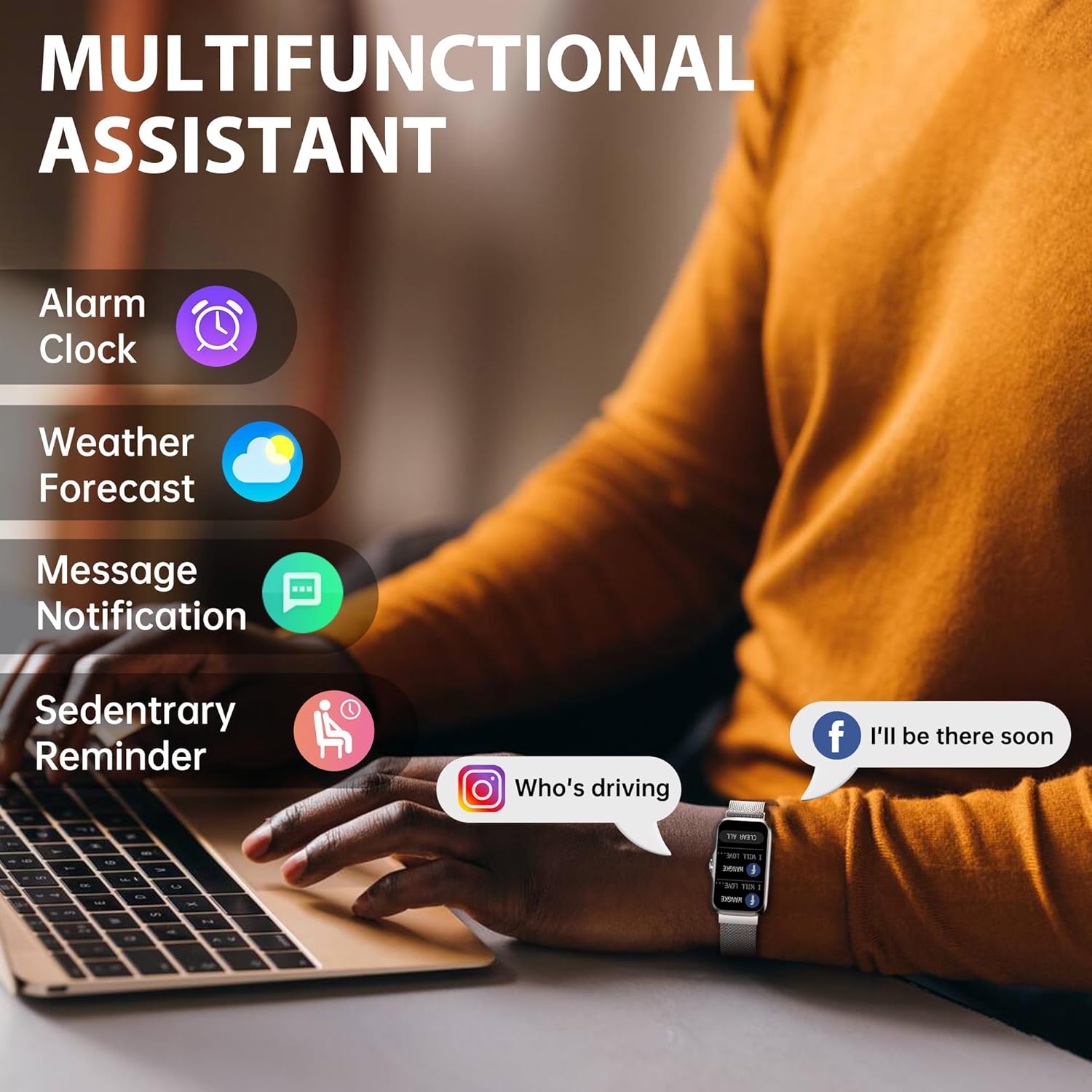
Many buyers praise the constant monitoring of heart rate and blood oxygen trends, along with sleep tracking and basic activity logging. Wearability and water resistance make it convenient for daily use and workouts, and the visual display offers quick access to steps and notifications without pulling out a phone. For everyday fitness motivation and general wellness awareness, the device covers the essential metrics most people look for.
There are trade-offs to keep in mind. Sensor-derived numbers can drift compared with clinical equipment, so readings should be treated as informative rather than diagnostic. App experience, firmware polish, and feature updates can vary by model/version, which affects how smooth syncing and data review feel over time. Screen size, button placement, and band comfort also influence long-term satisfaction for some users.
Consider whether you need medical-grade accuracy or simply general trends and reminders. If clinical precision is required, a dedicated medical device is more appropriate. For users seeking an accessible wrist-worn tracker to encourage activity, monitor sleep patterns, and keep an eye on heart and oxygen trends, it offers a solid balance of features and convenience—bearing in mind that specifics and performance can vary by model/version.
Who This Product Is For
This wearable is a good match for everyday people who want simple, continuous health and activity insight without the complexity of a full smartwatch. It suits those who care about heart-rate trends and blood oxygen readings, want basic sleep tracking, and prefer automatic step and activity recording during the day.
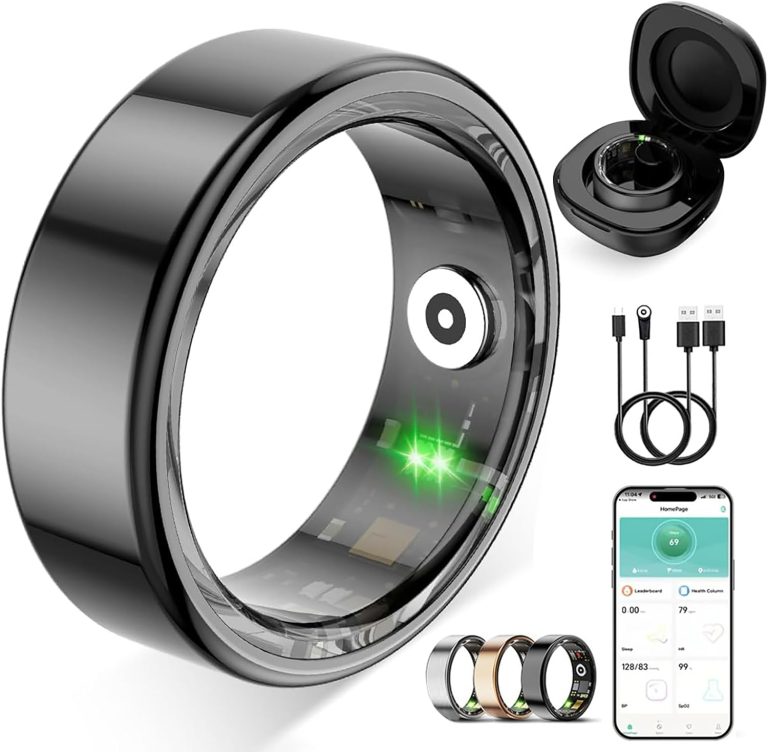
Casual exercisers and habit-builders will get the most value — walkers, light gym users, and anyone trying to monitor recovery and sleep patterns. It also appeals to commuters and outdoorsy users who need a device that stands up to sweat and splashes while still being easy to wear all day. If you prefer a minimalist wearable with on-wrist metrics only, see our roundups of smart rings and other compact trackers for alternatives.
This is not the best choice for someone who needs medical-grade measurements or advanced training metrics for competitive sport. If you require deep third‑party app integration, specialized coaching features, or very long runtimes, those needs may vary by model/version and could be better met by other device categories.
As an Amazon Associate, I earn commission on qualified purchases.