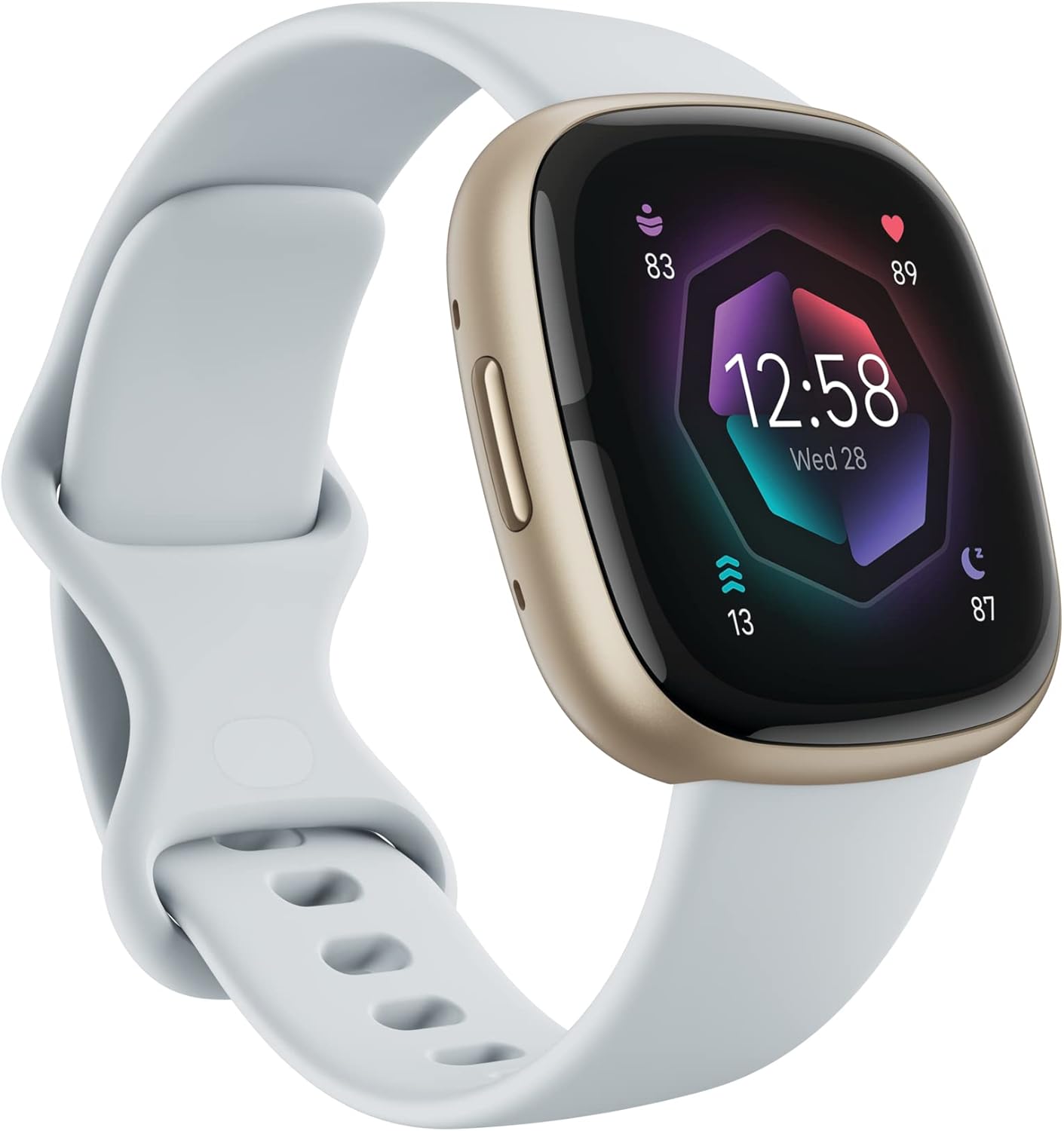
Fitbit Sense 2 Smartwatch – Advanced Health & Sleep Tools
The Fitbit Sense 2 is a health‑ and fitness‑focused smartwatch that combines multiple biometric sensors with guided stress and sleep tools. It offers on‑wrist ECG and SpO2 sensing, continuous heart‑rate monitoring and built‑in GPS, while remaining intended as a wellness companion rather than a medical device.
Overview
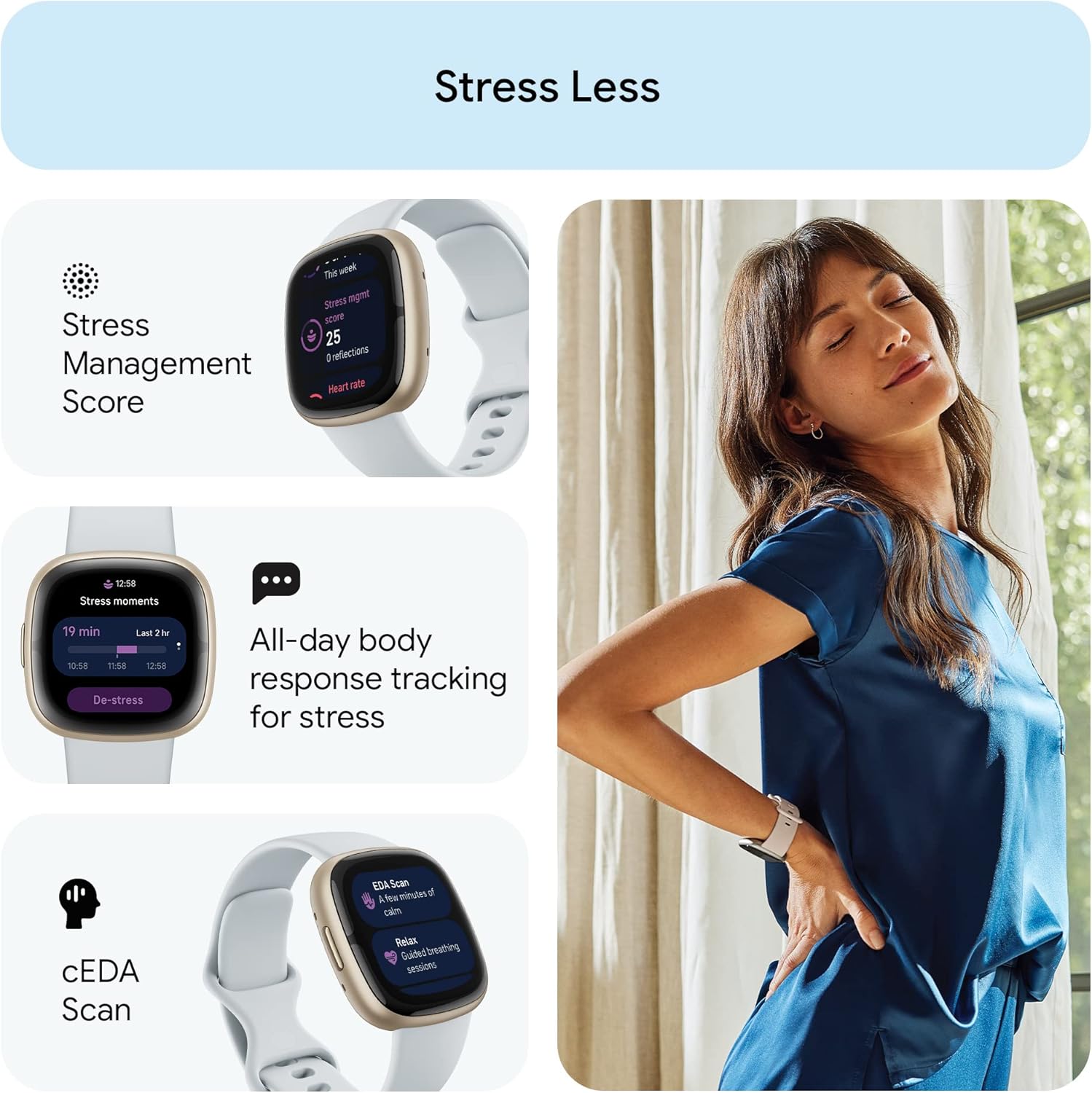
This smartwatch brings activity tracking together with stress management and sleep analysis tools. It pairs an array of sensors — including ECG, SpO2 and continuous heart‑rate monitoring — with software features intended to surface trends and suggest small behavior changes.
Fitbit positions the device for people who want one wristwear to monitor workouts, sleep and recovery rather than carry multiple gadgets. For more model details and official specs, see the dedicated Fitbit Sense 2 health & fitness smartwatch page.
Key Features
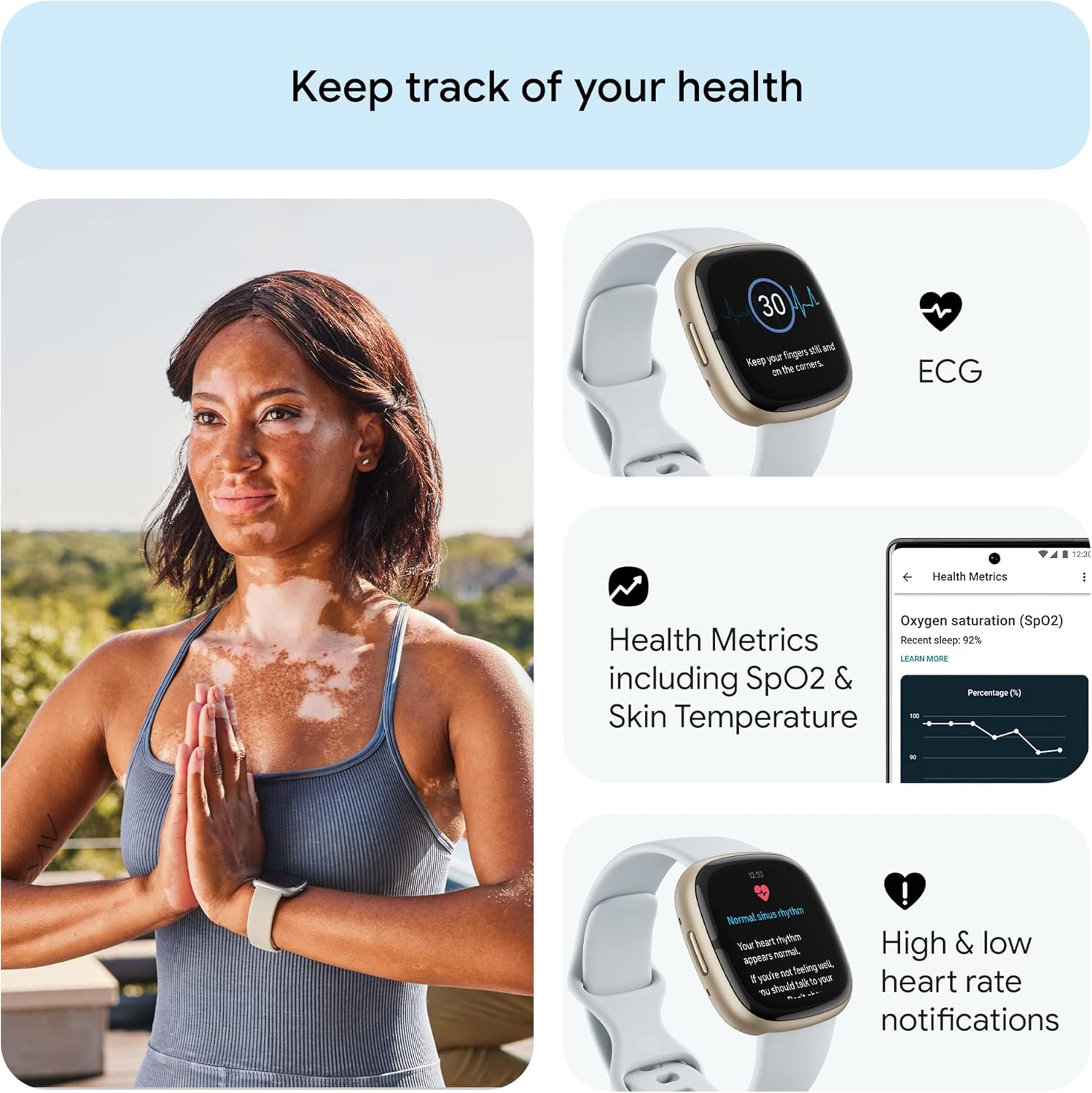
The Sense 2 combines on‑wrist ECG, blood‑oxygen sensing, continuous heart‑rate tracking and built‑in GPS to give richer context for workouts and daily activity. These sensors help distinguish between easy and intense sessions, detect potential irregularities, and map outdoor routes without a phone.
Stress management features prioritize actionable insights like guided breathing and recovery recommendations, while sleep analysis provides stages and patterns to help you address overnight habits. If you’re comparing Fitbit models, you might also look at options like the Charge 3 renewed listing for simpler fitness tracking and lower cost.
Real-World Performance
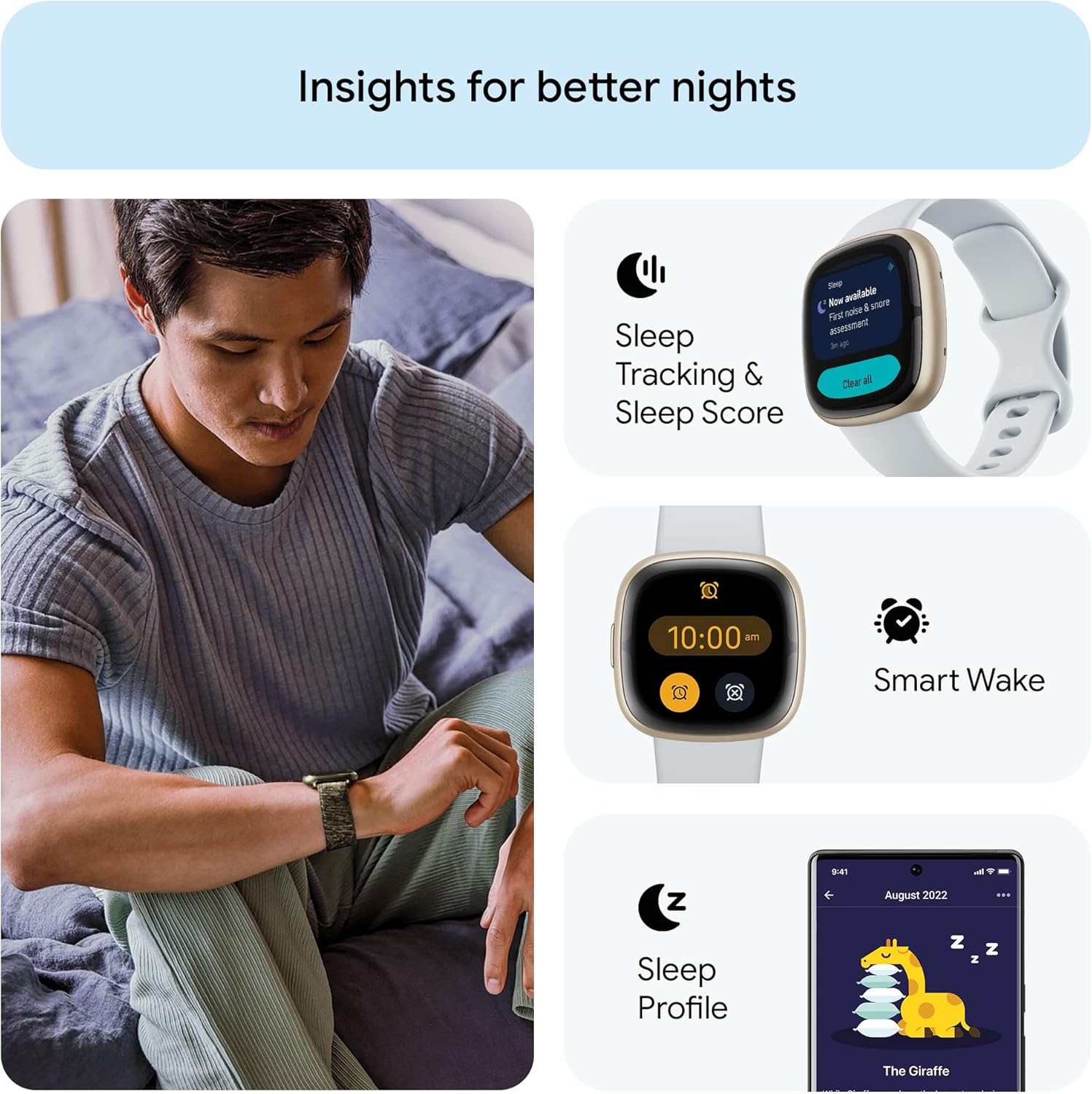
In daily use the Sense 2 delivers predictable tracking and a responsive interface. Heart‑rate, SpO2 and ECG readings are convenient for trend monitoring, but wrist sensors have limits and should not replace professional medical evaluation.
Built‑in GPS and activity tracking work well for runs, walks and gym sessions, though GPS accuracy can fluctuate in dense urban areas or heavy tree cover. For a look at a lower‑cost Fitbit with solid tracking, see our Inspire 3 review for how a simpler tracker compares on battery and basics.
Ease of Use and Maintenance
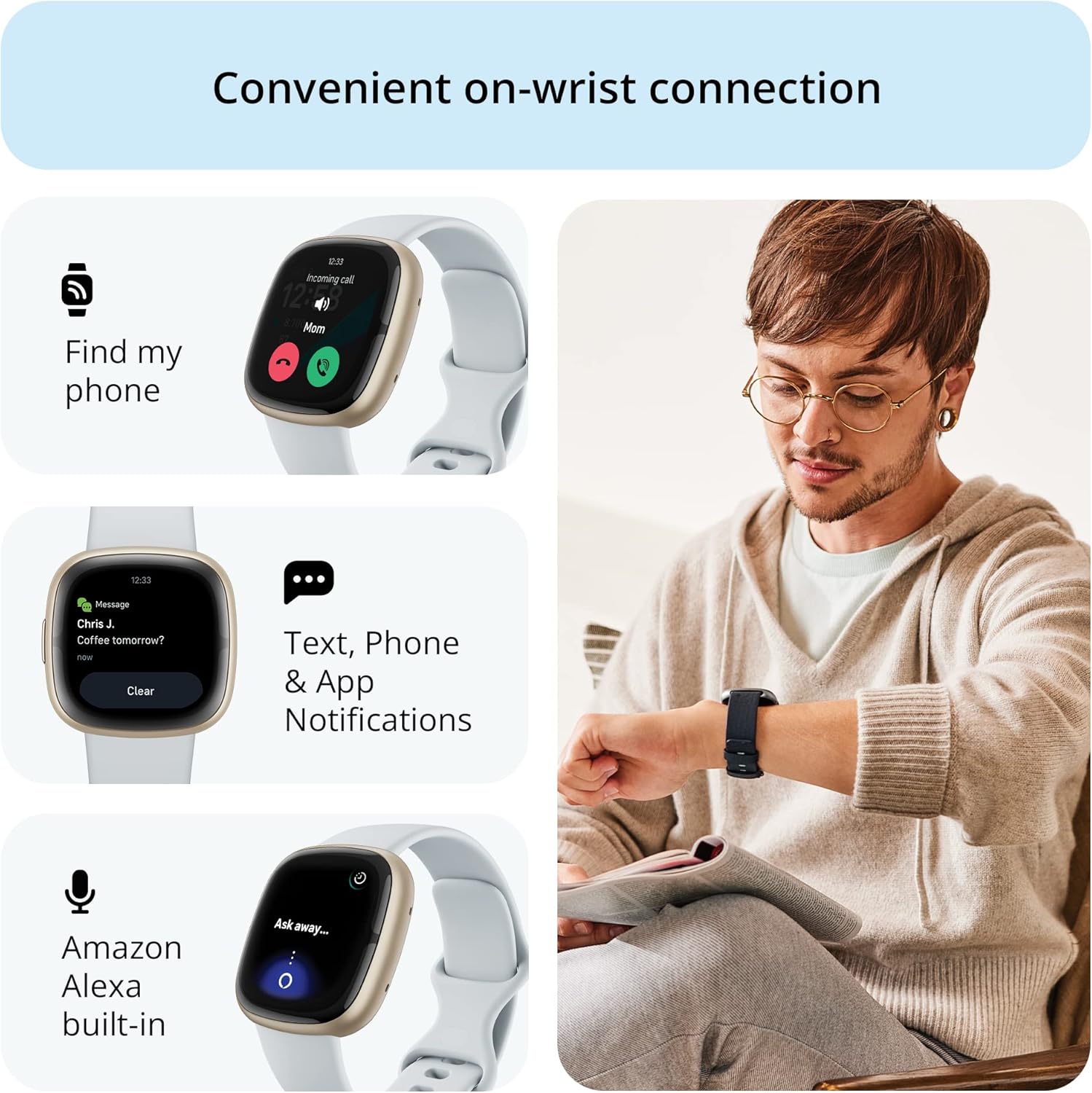
Setup is guided through the companion smartphone app: power on, follow pairing prompts, sign in or create an account and personalize settings. Expect occasional firmware updates during initial setup and over time to refine features.
Daily care is simple — wipe the case and display with a soft cloth, remove bands for deeper cleaning, and keep charging contacts clear of debris. Band sizes and compatibility vary by version, so keep that in mind if you swap accessories or buy replacements.
Pros and Trade-Offs
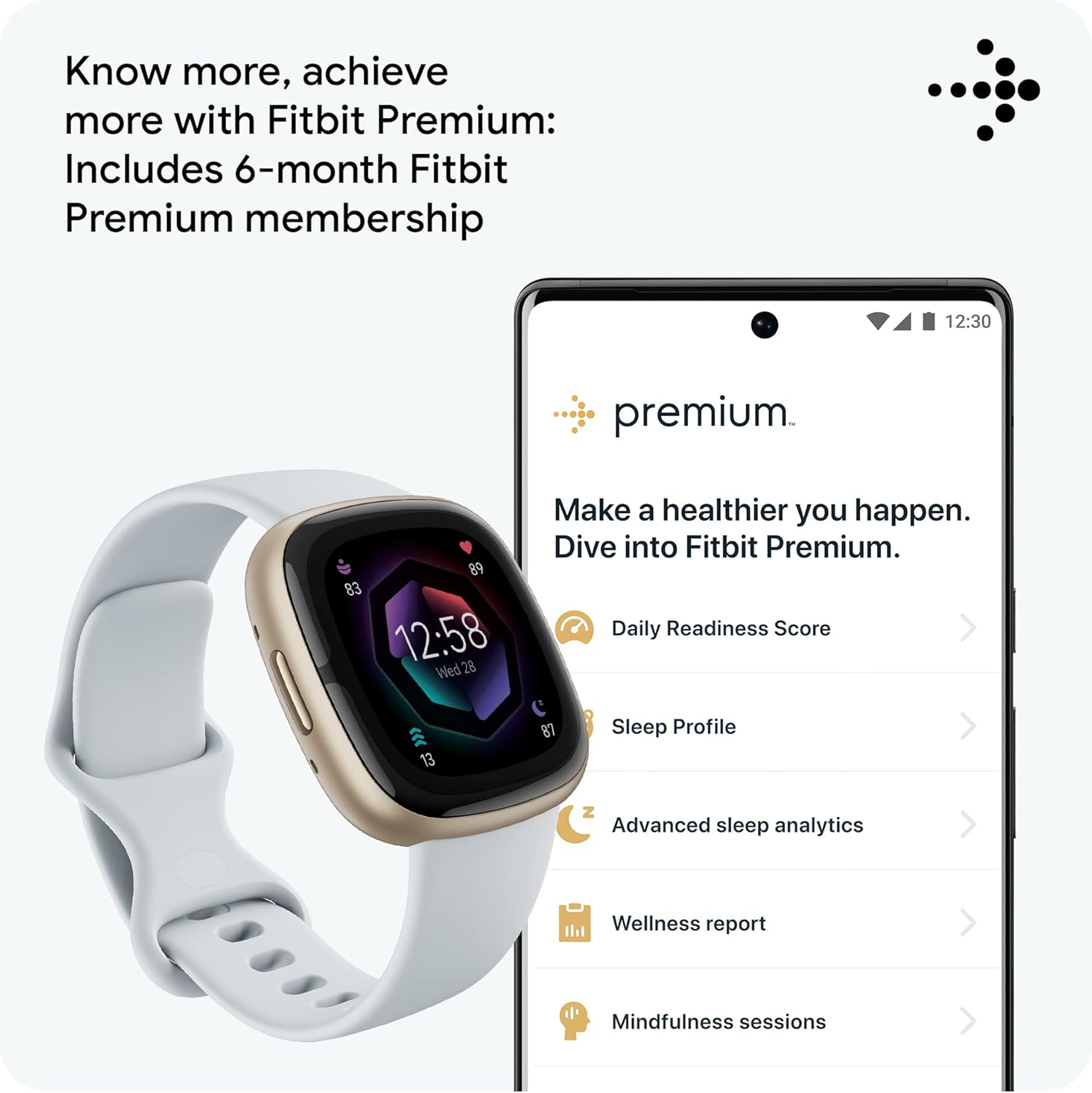
The Sense 2’s strength is its broad suite of health and fitness tools — ECG, SpO2, continuous heart‑rate and sleep/stress tracking give meaningful trend data for wellness‑minded users. Built‑in GPS and on‑device workout support are useful for those who prefer leaving the phone at home.
Trade‑offs include higher cost, variable battery life depending on settings, and some features that may require a subscription. Occasional syncing or sensor hiccups are possible, and health metrics should be used for trend awareness rather than clinical diagnosis.
Who This Product Is For
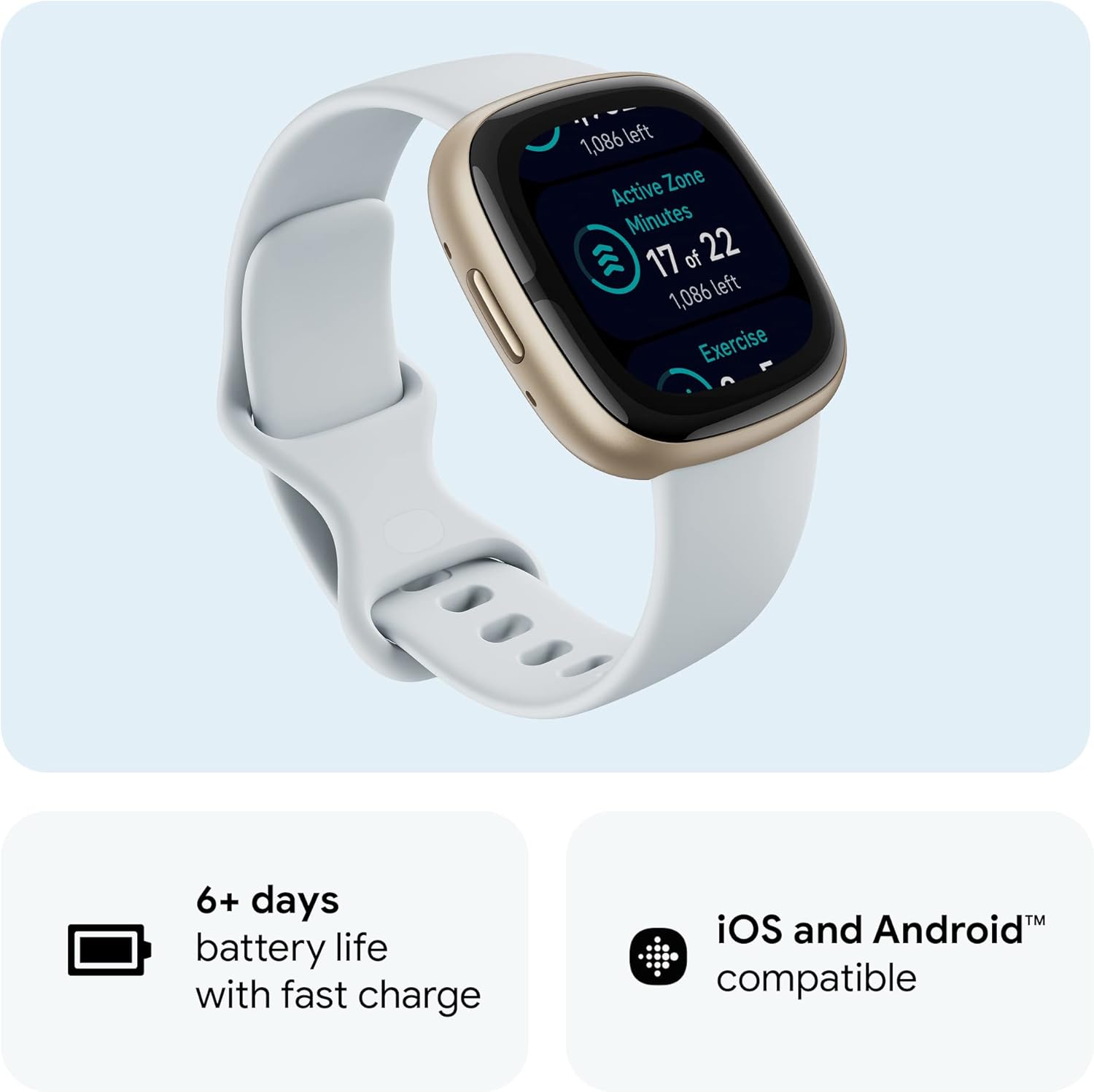
This watch is aimed at people who prioritize health and wellness insights alongside everyday wearable convenience. It’s well suited for users who want stress and sleep tracking, ECG and SpO2 monitoring, continuous heart‑rate awareness and built‑in GPS in one device.
Skip it if you only need a basic step counter or are shopping on a tight budget; simpler Fitbits like the Inspire or Charge series focus on fundamentals at lower price points. If you want to compare model choices and trade‑offs, check our comparison of Fitbit trackers to find the best fit for your needs.
As an Amazon Associate, I earn commission on qualified purchases.