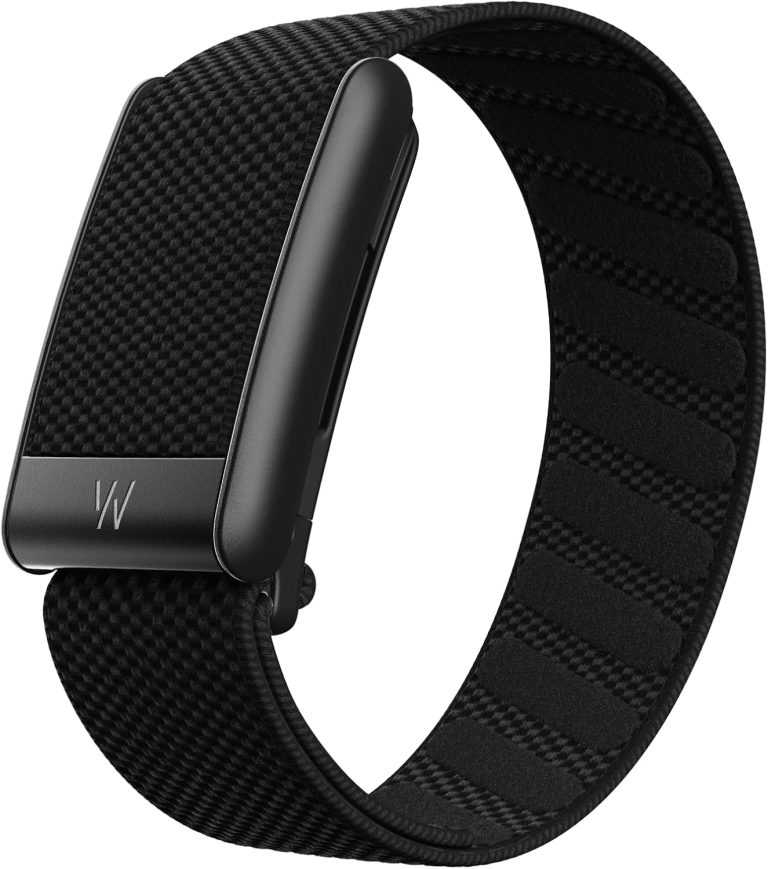
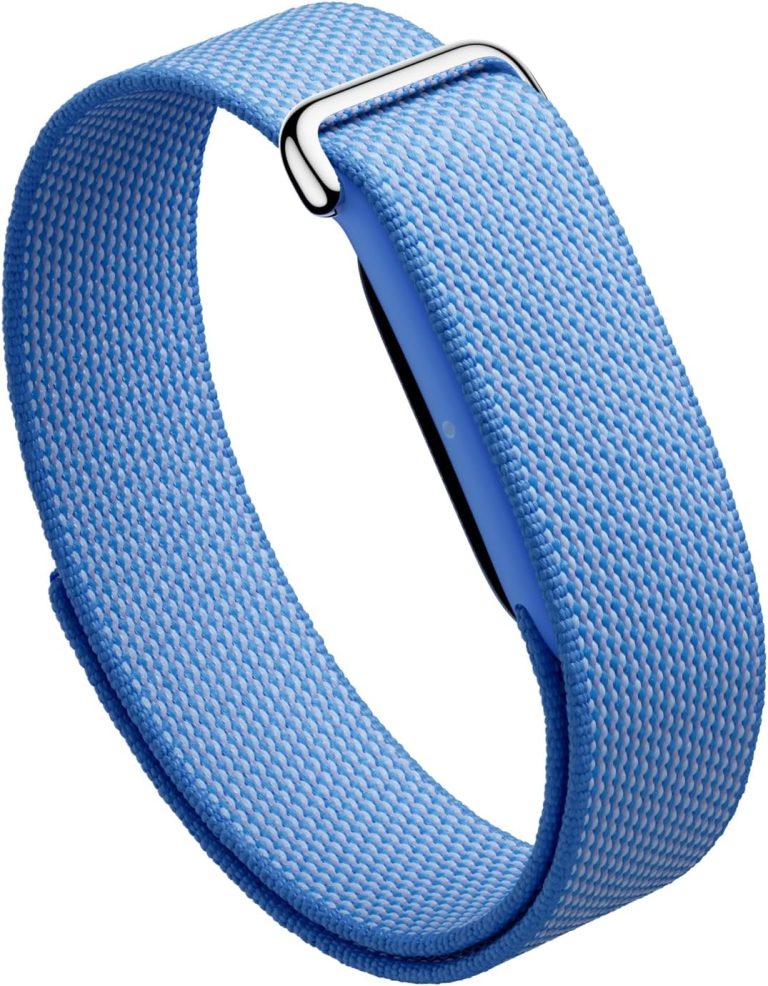
Fitbit Google Air – Screenless Activity Tracker – Berry
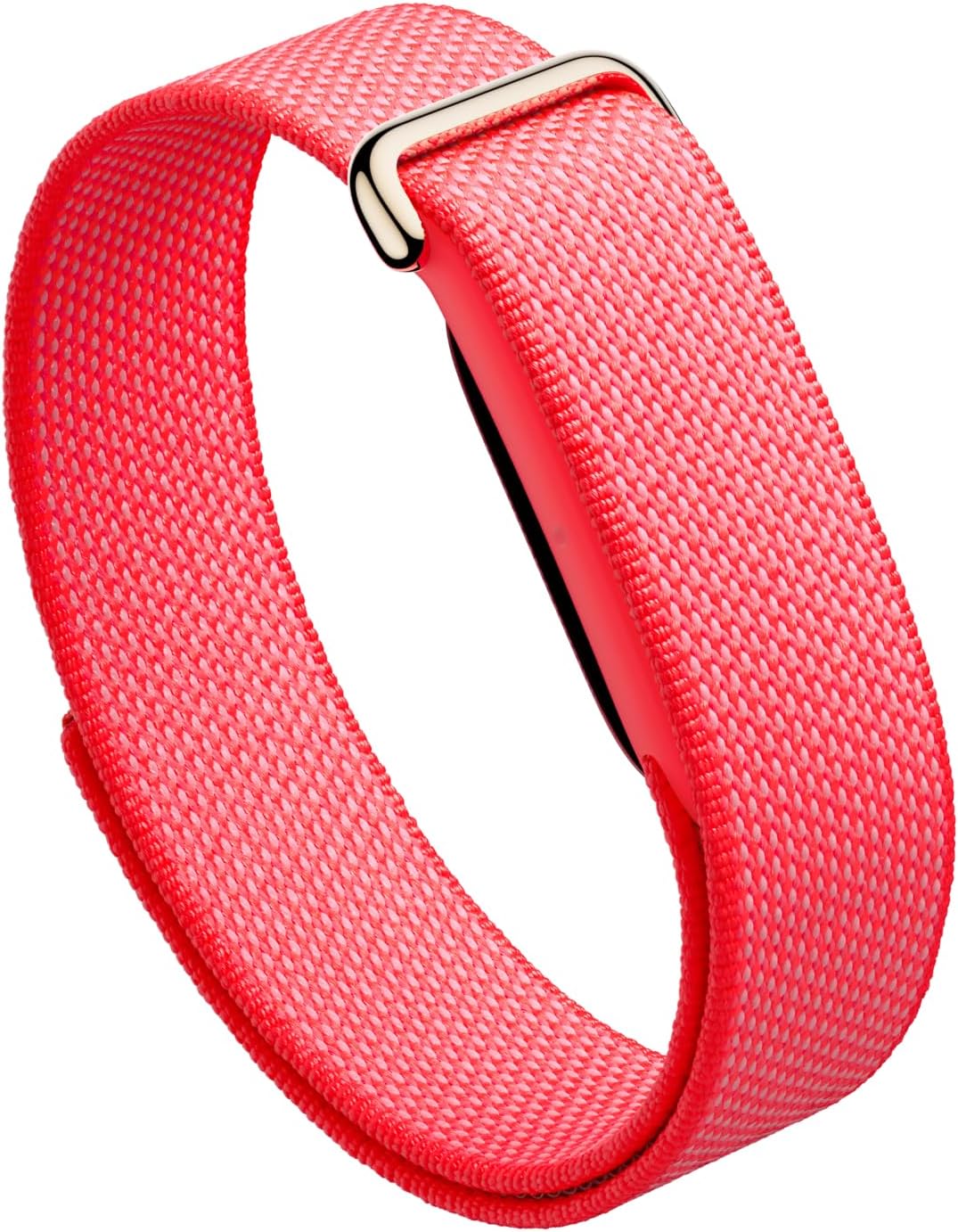
The Fitbit Google Air – Screenless Activity Tracker – Berry is a screen-free wearable designed for continuous health and activity tracking. Its lightweight, micro-adjustable Berry band is intended for work, workouts, and sleep, while the companion app provides access to tracked information and coaching features.
Overview
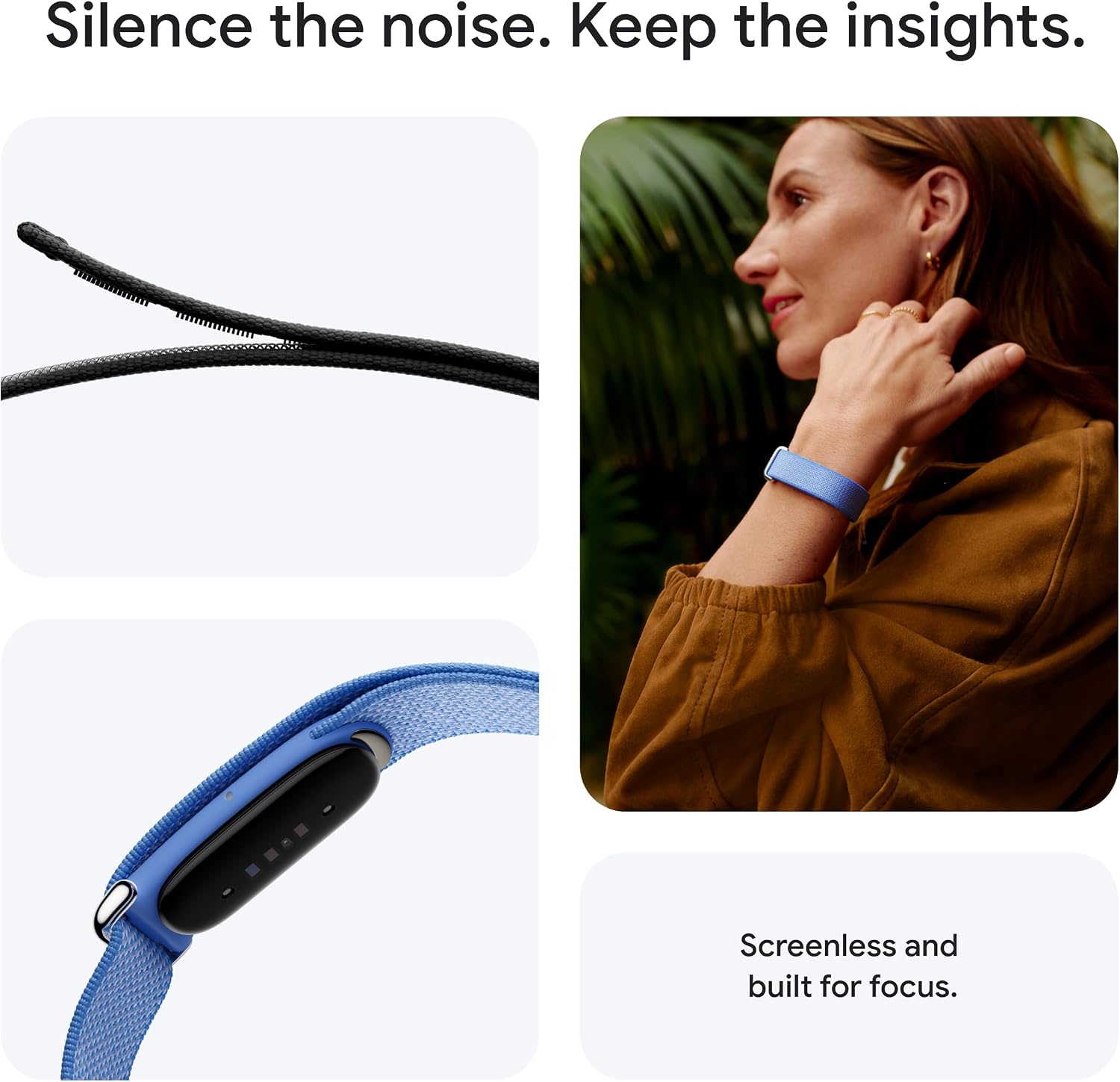
Fitbit positions the Google Air as a discreet alternative to display-equipped fitness wearables. With no display to check on the device itself, it is designed to keep attention on the accompanying health app rather than on a wrist screen. The oval tracker uses a Google Performance Loop Band and is available here in Berry. It includes the tracker, watch band, and charging cable.】【。
The tracker connects through Bluetooth and supports Android 11.0 or later and Apple iOS 16.4 or later. GPS data is provided through a connected smartphone rather than built into the tracker.
Related reading: Fitbit Google Air Screenless Activity Tracker Fog.
Key Features
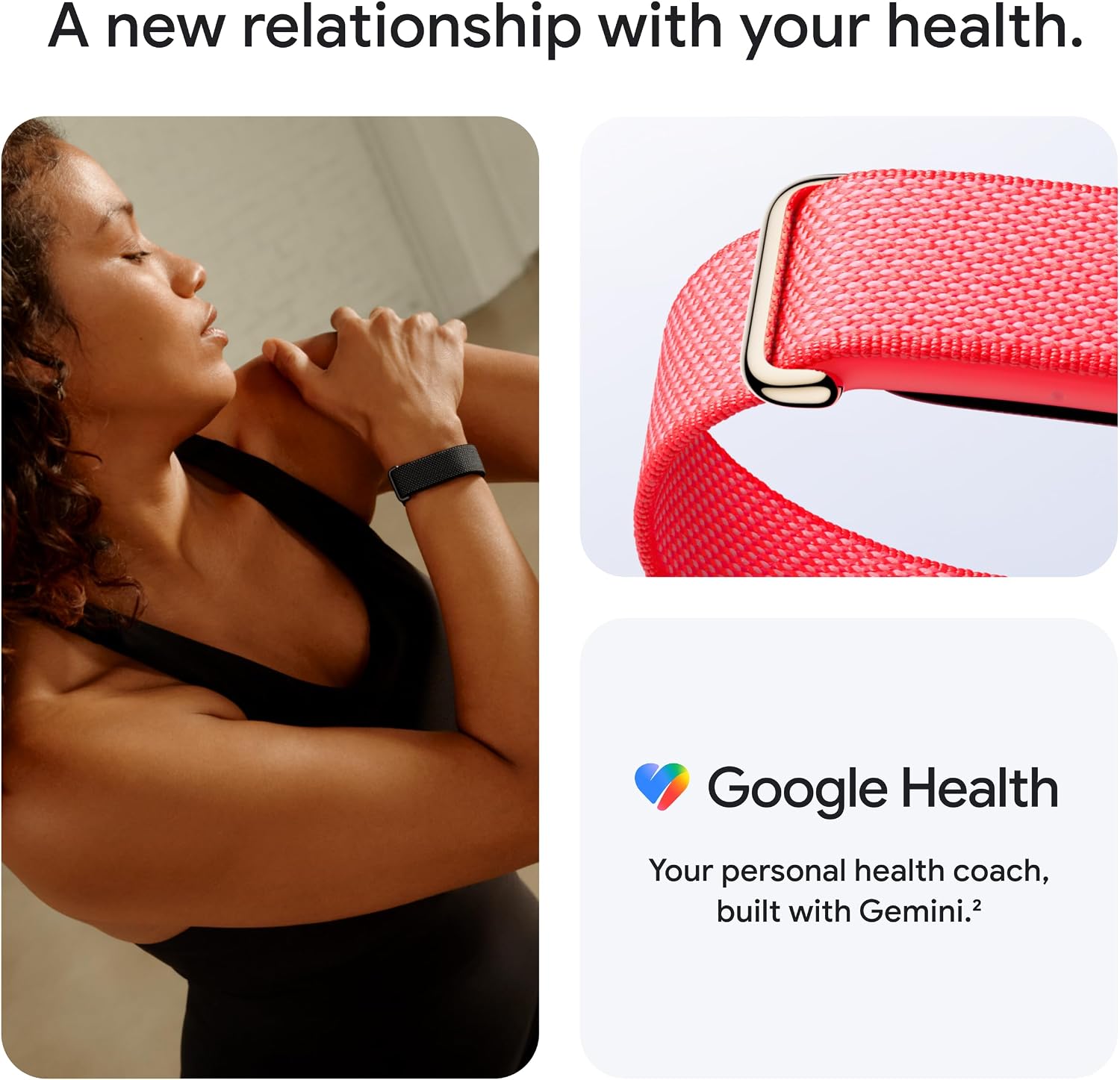
The Google Air includes an optical heart-rate monitor, a 3-axis accelerometer and gyroscope, a device temperature sensor for skin-temperature variation in the Google Health app, and red and infrared sensors for SpO2 monitoring. Fitbit states that its sensors and algorithms support around-the-clock health tracking.
The unit is water resistant to 50 meters. Fitbit claims battery life of up to a week, while its product details list an average battery life of 5 days. The company also states that a five-minute charge can provide up to one day of battery life.
The screenless design allows the tracker to move between bracelet, workout-band, and sleep-band styles by pressing the pebble in and clicking it into another band.
Related reading: Fitbit Google Air Screenless Activity Tracker Lavender.
Real-World Performance
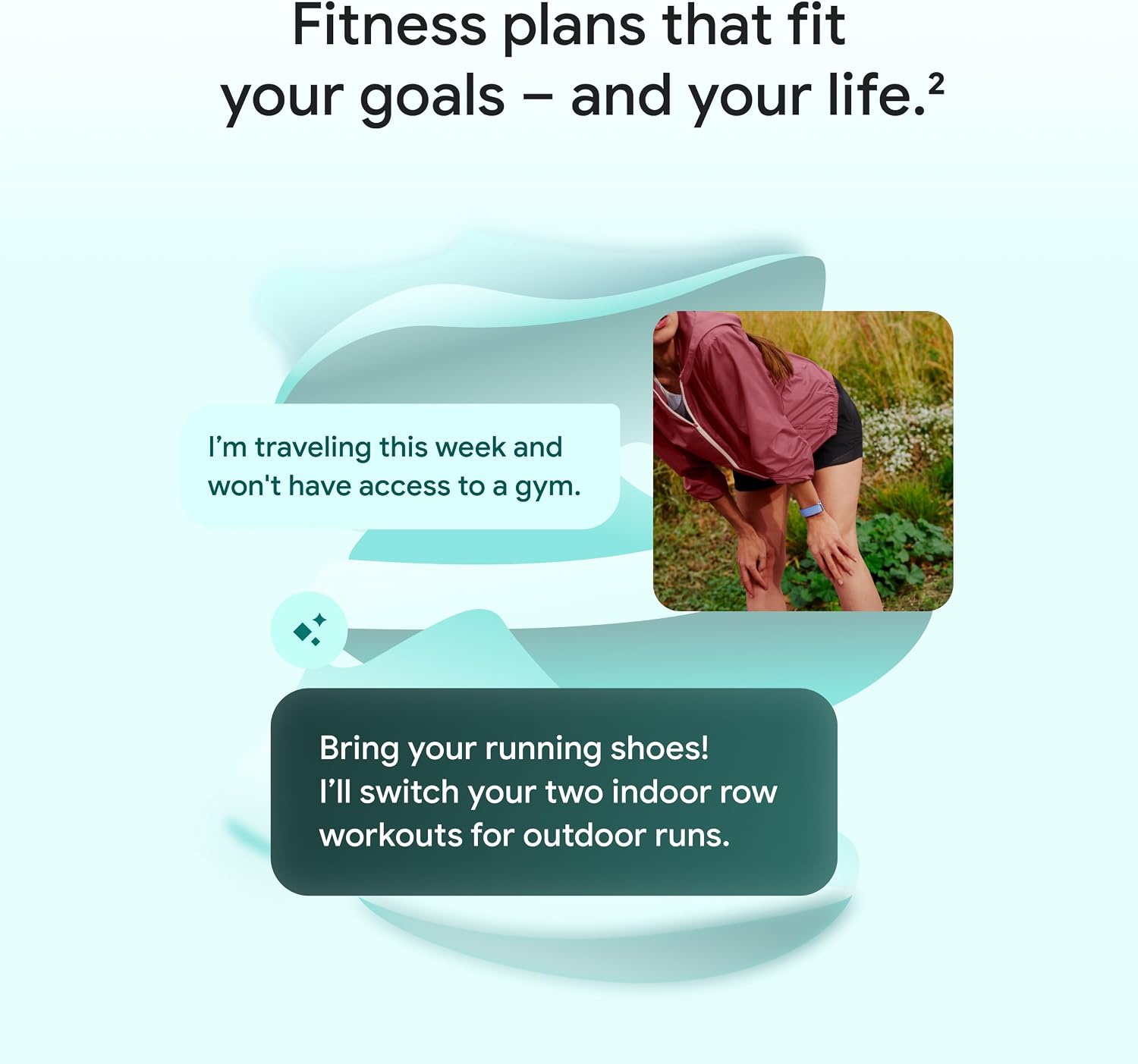
Customer feedback is strongest around comfort, light weight, and battery life. Many reviewers describe the band as unobtrusive for daily wear and sleep, and some report that it lasts well between charges.
Feedback on tracking performance is mixed. Some customers report useful step, sleep, activity, and heart-rate tracking, while others describe inaccurate step counts or unsatisfactory sleep tracking. Reviews of reliability, syncing, and connectivity are similarly divided: some users report straightforward pairing and app integration, while others mention connection or synchronization difficulties.
Ease of Use and Maintenance
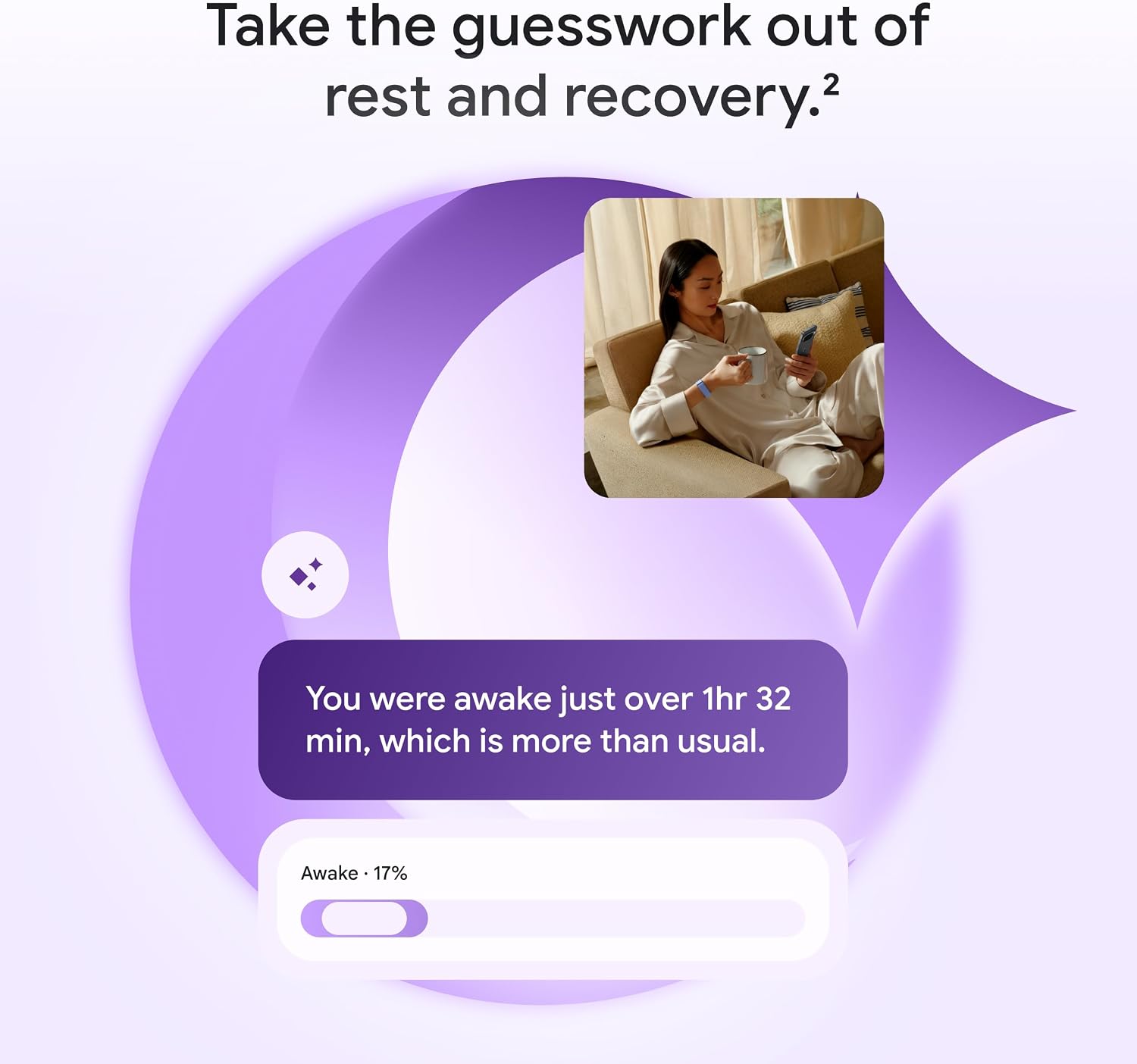
The lack of a display keeps on-device interaction minimal, with the phone app serving as the main place to review information. This approach may suit users who prefer fewer on-wrist distractions, but it also means that checking metrics depends on a compatible phone and app connection.
The micro-adjustable buckle closure is designed to support fit adjustments across the stated one-size range. Routine charging is simplified by the stated quick-charging capability, and the included charging cable provides the necessary charging accessory.
Pros and Trade-Offs
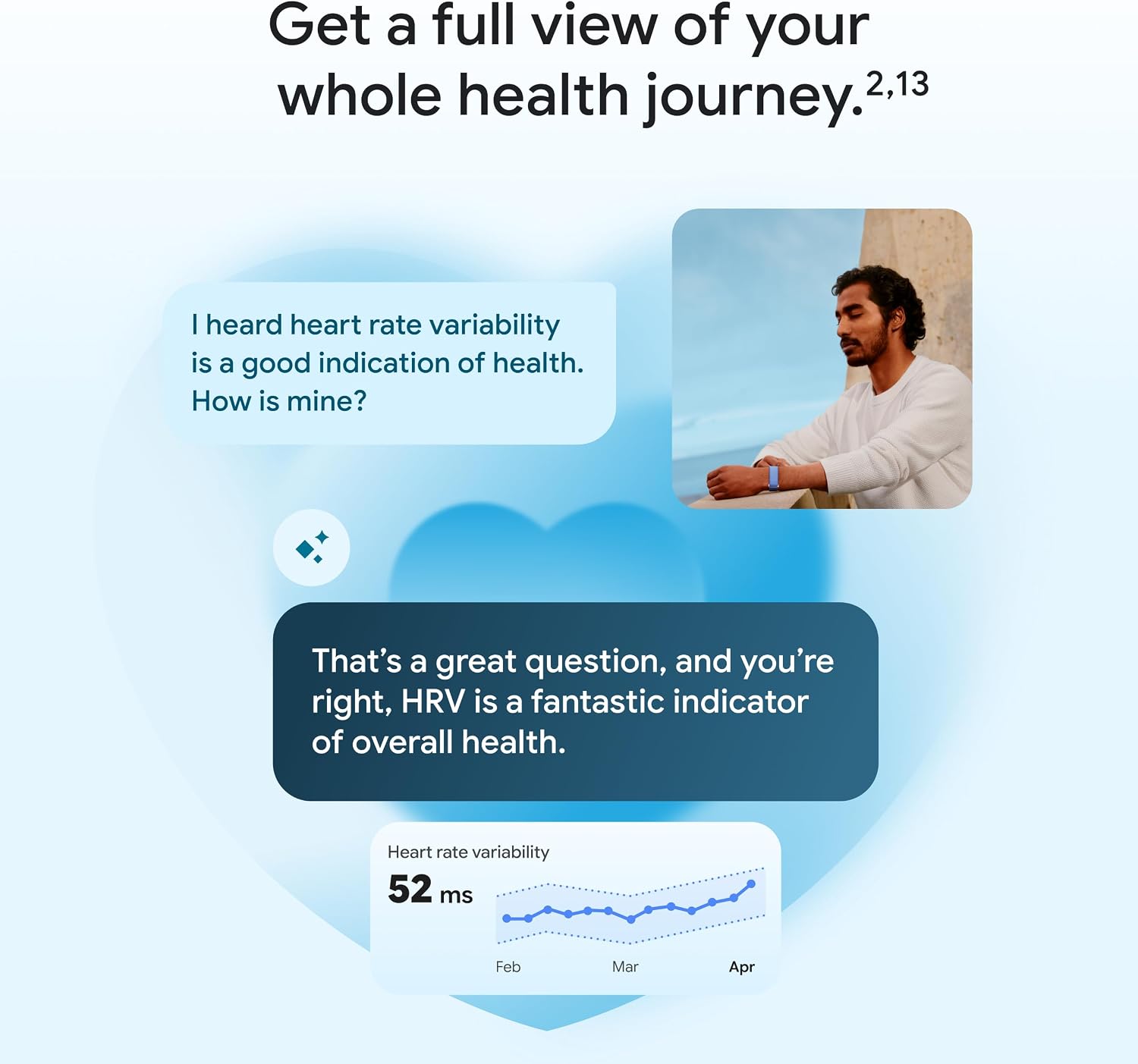
Potential strengths include a lightweight, adjustable design; a screen-free format; Bluetooth connectivity; smartphone-assisted GPS; water resistance; and a sensor set that covers heart rate, movement, skin-temperature variation, and SpO2 monitoring.
The key trade-off is the absence of an on-device display, which may not suit people who want to view workout data directly from their wrist. GPS requires a smartphone, and the mixed customer feedback on tracking accuracy, syncing, and long-term reliability is worth considering.
Who This Product Is For
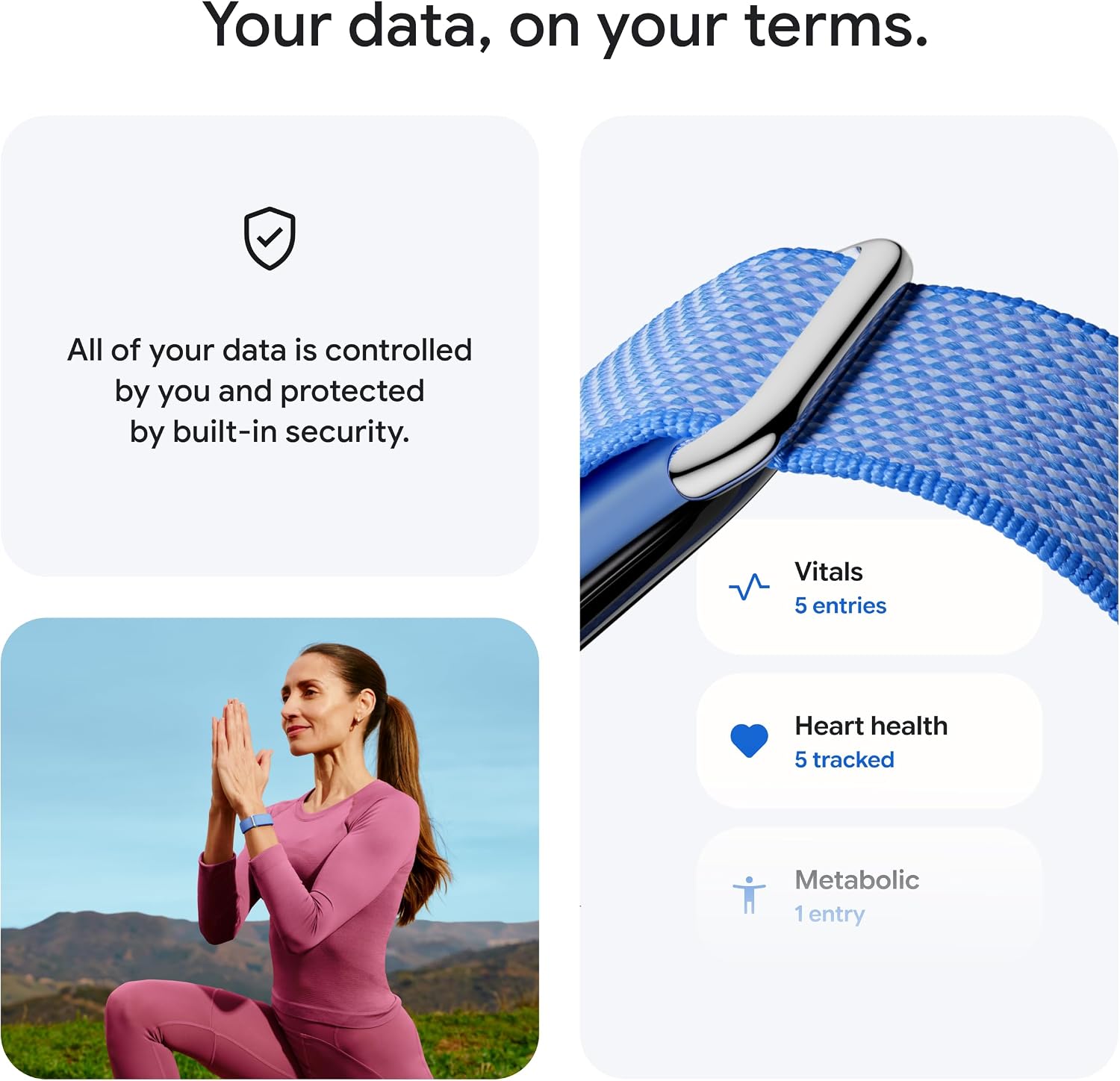
The Fitbit Google Air is suited to adults who want a subtle activity tracker for everyday movement, sleep, and health monitoring without another screen on the wrist. Its light, adjustable band and app-centered experience may be especially appealing for wear during work, exercise, and overnight.
It may be less suitable for users who need built-in GPS, immediate on-device metric readouts, or a tracker that operates independently of a compatible smartphone.