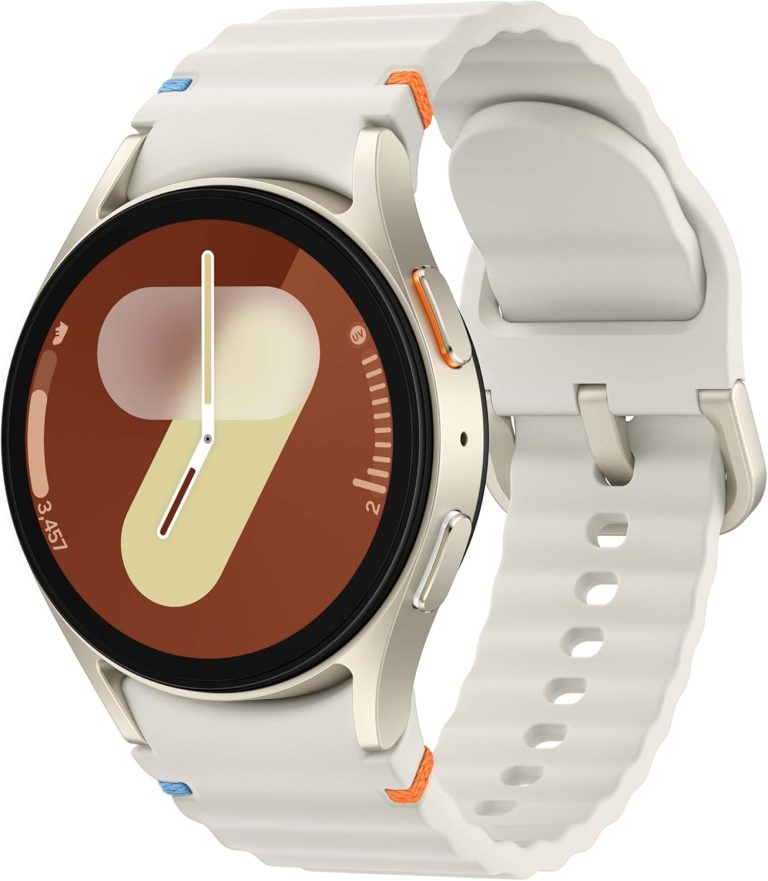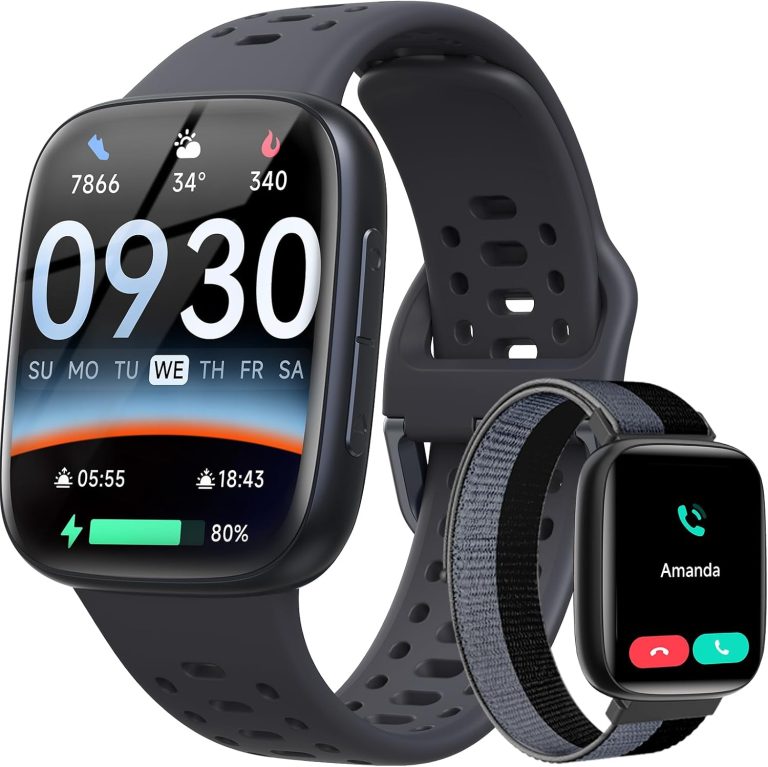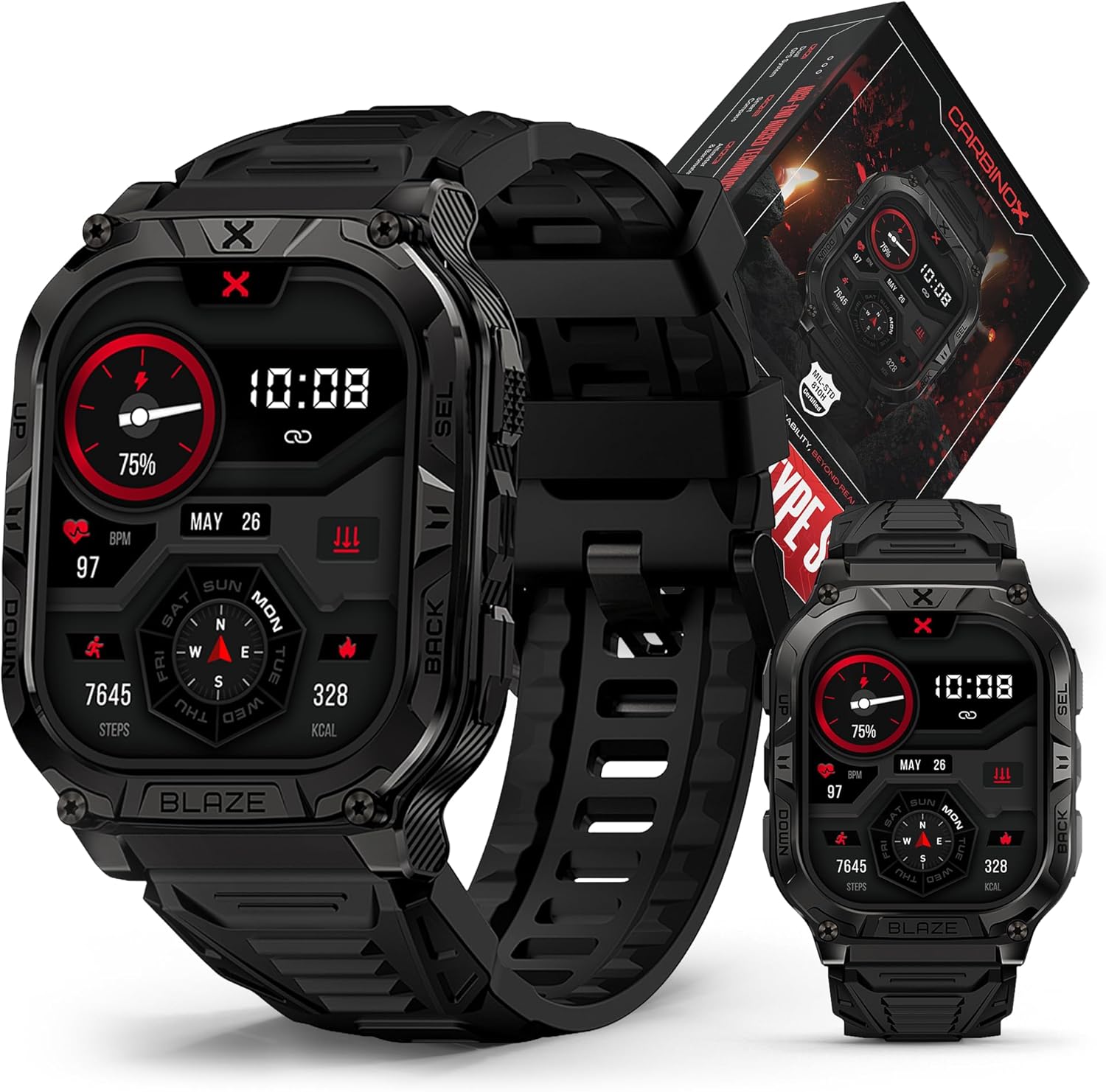
CARBINOX Smart Watch Blaze GPS – Rugged IP69K Waterproof
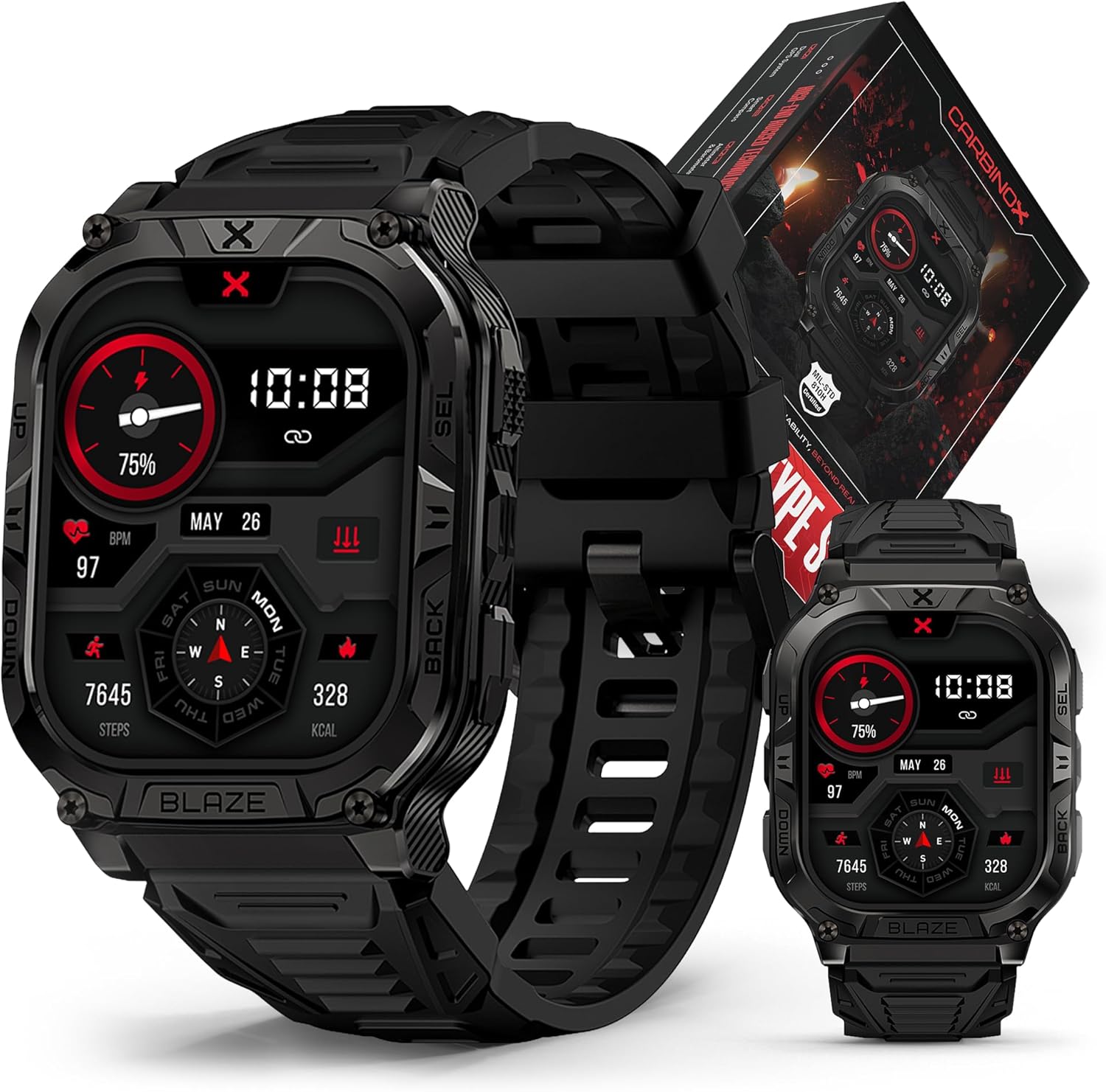
The CARBINOX Blaze GPS is a rugged wrist-worn smartwatch built for outdoor use, combining onboard satellite positioning, durable construction, and on‑wrist calling. It provides broad sport support and continuous health monitoring while prioritizing resistance to water, dust, and impacts for active users.
Overview
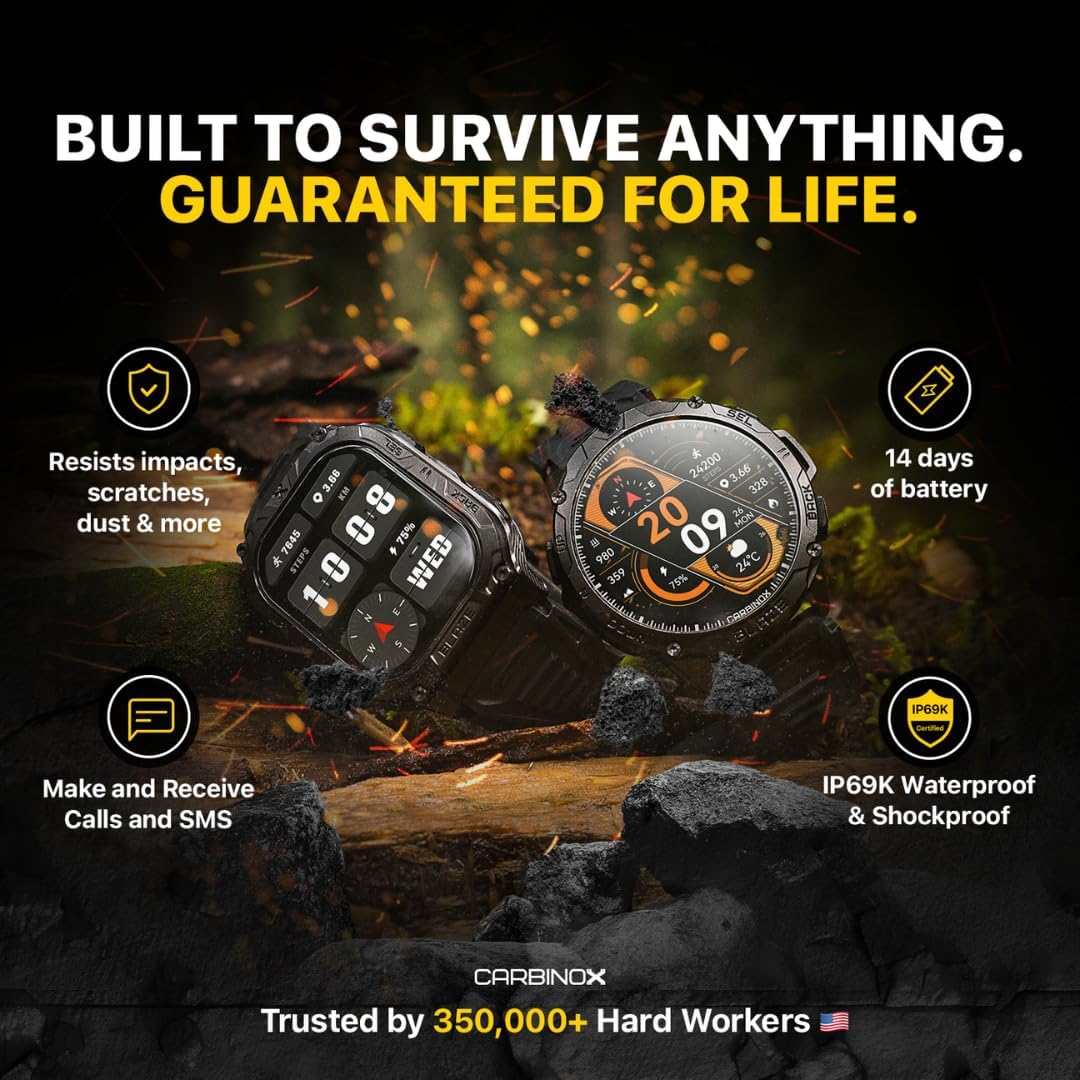
This is a rugged wristwatch-style wearable with onboard location tracking and a focus on active use. It combines activity monitoring and smartwatch functions in a durable package meant to stand up to outdoor conditions and everyday knocks.
On the health and fitness side it provides multi-sport tracking, continuous monitoring of basic metrics, and on-wrist communication features so you can handle calls and notifications without pulling out a phone. The device also pairs with common mobile operating systems for syncing data and settings.
It’s aimed at people who want one device that covers workouts, outdoor navigation, and daily connectivity without treating the watch as a fragile accessory. For users who prioritize toughness and all-in-one convenience, it removes the need to carry separate gadgets during training or outings.
By consolidating tracking, navigation, and calling into a single wearable, it solves the problem of juggling separate devices and worrying about damage during active use. Model specifics such as exact ratings and feature counts vary by model/version, so check the configuration you’re considering for precise details.
Key Features
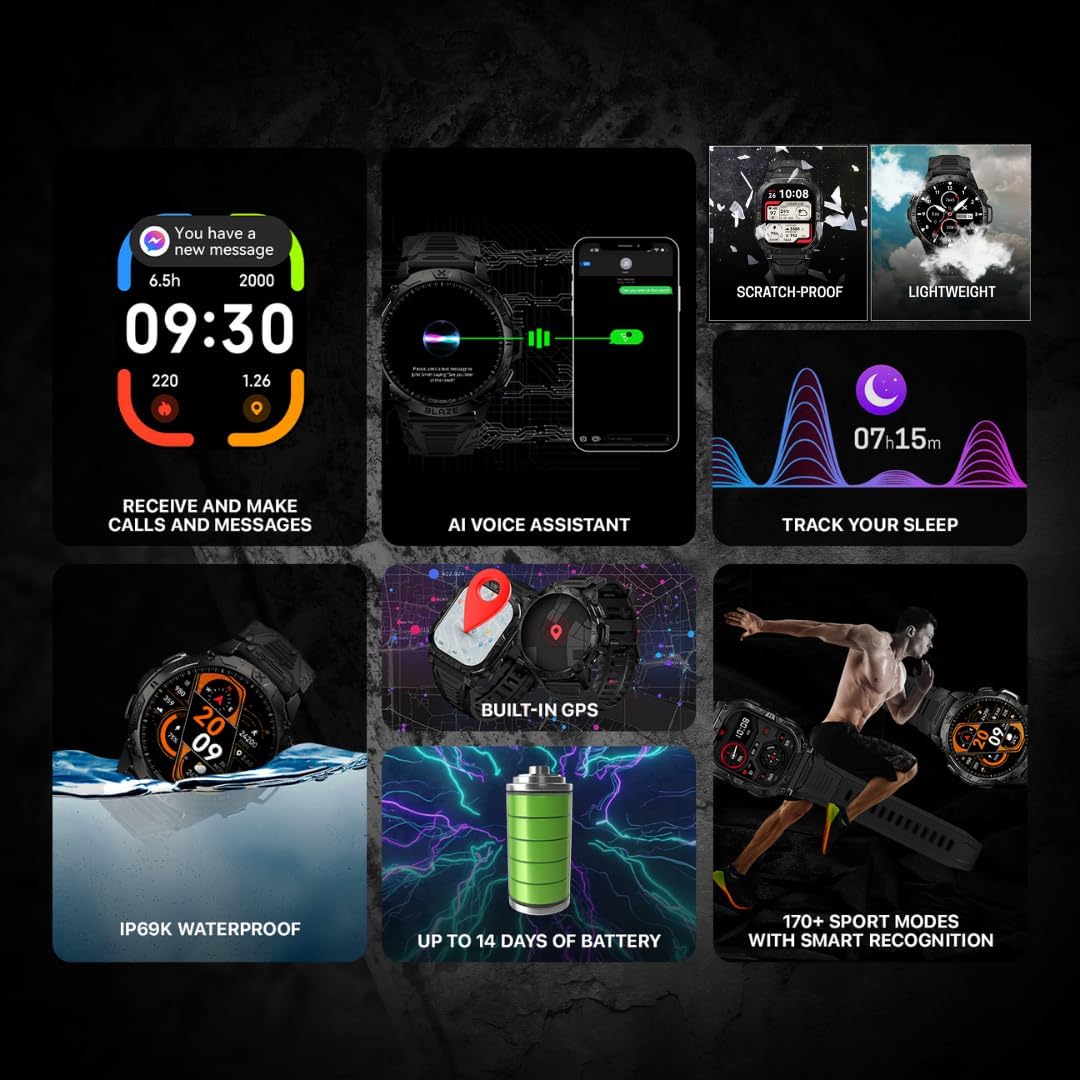
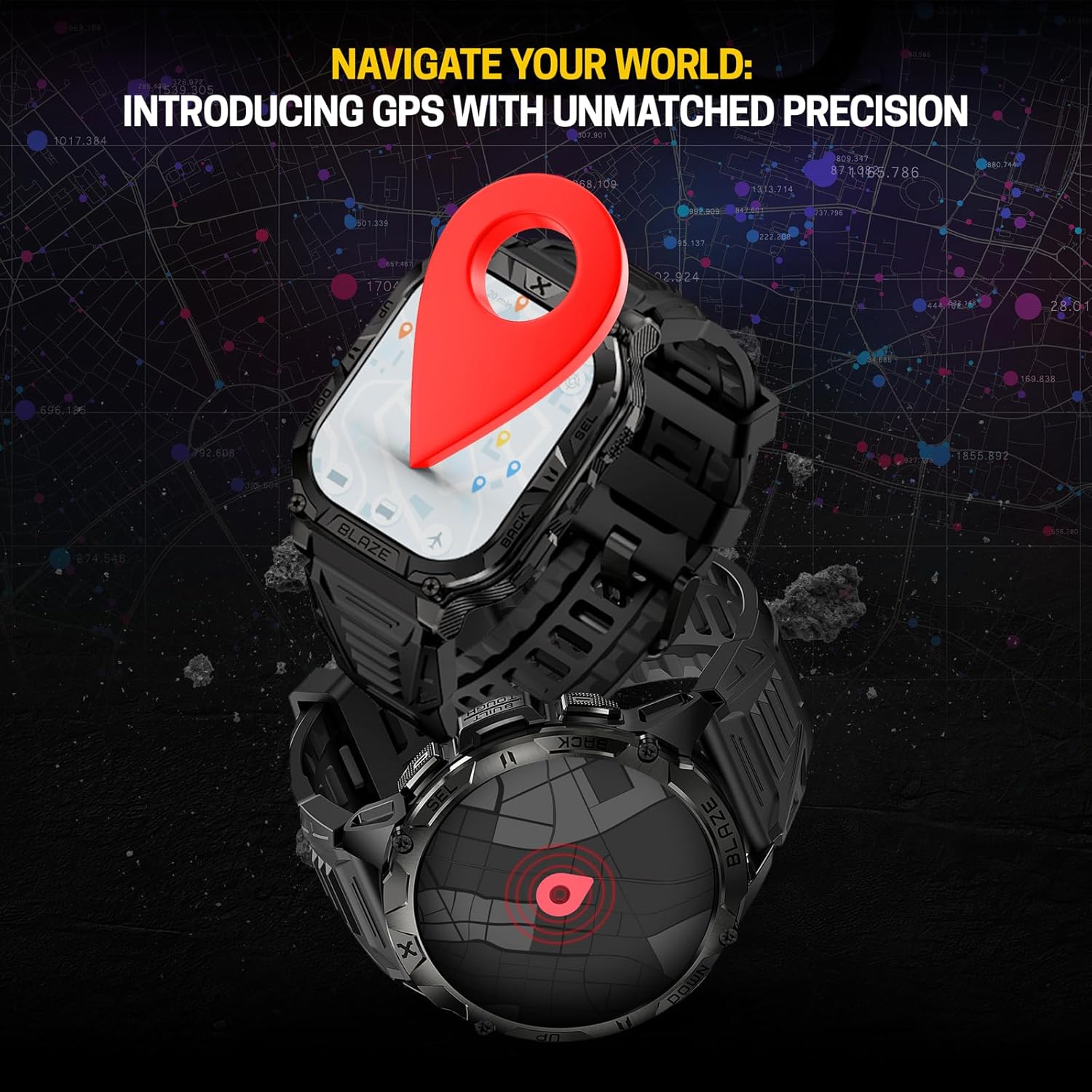
Built-in satellite positioning lets you record routes and outdoor workouts without carrying a phone, which is useful for runners and hikers who want map traces and pace data. The on-device tracking paired with smartphone syncing means you can review detailed sessions later and keep daily activity visible at a glance.
The casing and display are designed for rough use: a high ingress-protection rating and tough glass reduce the risk of dust, impacts, and high-pressure water exposure in demanding conditions. That combination makes the watch a sensible choice for outdoor adventures, workshop use, or heavy-sweat training where a fragile tracker would be a liability.
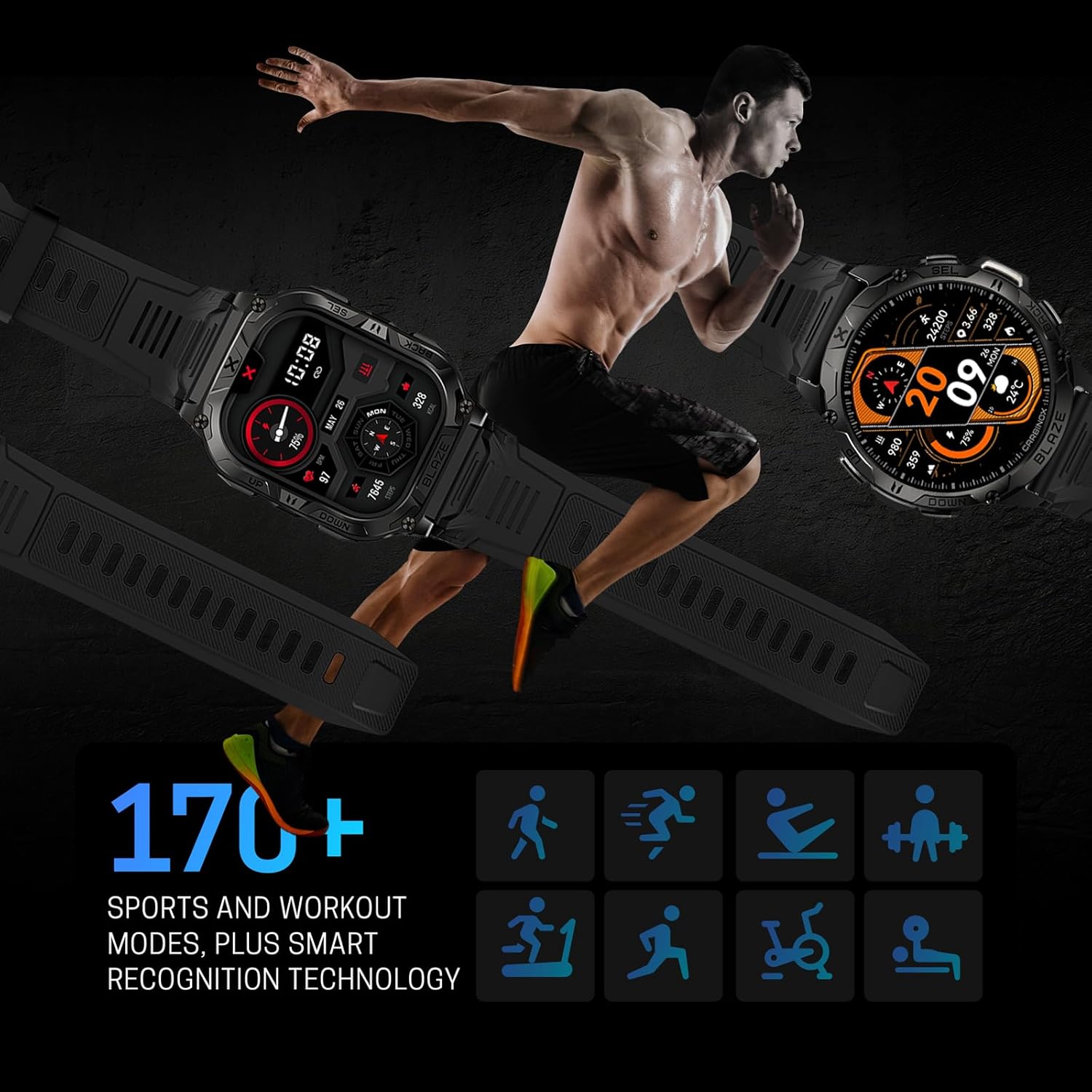
Multiple exercise profiles cover a broad range of activities so metrics are tailored to the sport you’re doing, though exact mode availability varies by model/version. The ability to handle calls from the wrist and work with both major mobile platforms keeps you connected while training without reaching for your phone.
Taken together, the practical features focus on independent tracking, durability, versatile workout support, and basic on-wrist connectivity. Check the specific model/version for exact capabilities and supported features to ensure it matches your preferred sports and connectivity needs.
Real-World Performance
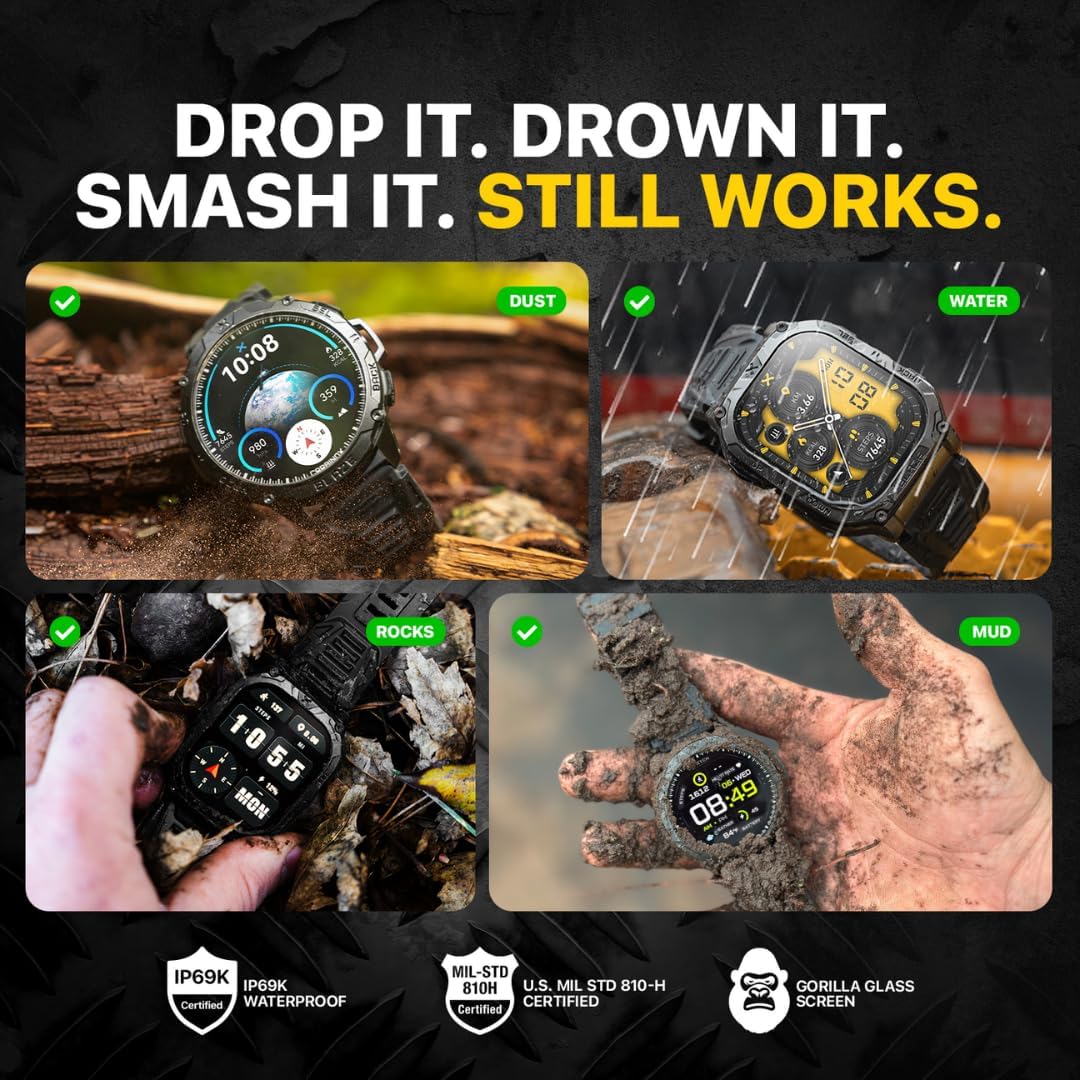
The watch feels built for active use: the front glass stays readable outdoors and resists everyday scuffs better than a typical budget display, and the case survives knocks and wet conditions without feeling fragile. You’ll still see cosmetic wear over time if it’s used heavily, but the overall fit-and-finish supports regular workouts, commuting, and outdoor chores without fuss.
GPS and activity tracking perform well in open areas; routes and pace are reasonable for recreational runs and rides, though signal quality can drop in dense urban canyons or thick tree cover and the device will inherit the usual limitations of wrist-based sensors. Heart-rate and step readings are useful for trends and training guidance, but expect occasional short deviations compared with dedicated chest straps or foot pods.
Pairing and call handling are straightforward with both major mobile platforms, and notifications arrive reliably when phone permissions are set correctly, though the exact behavior depends on your phone and settings. Call clarity and microphone pickup are acceptable for casual conversations but will vary with signal strength and environment. Battery life depends on the model/version and how often you use GPS and connected features; heavy GPS or continuous-sensor use noticeably shortens runtime.
Overall, it’s a solid option for active users who want a rugged, all-around smartwatch experience while accepting the normal trade-offs of wrist-worn trackers.
Ease of Use and Maintenance
Getting started is generally straightforward: power on the device, install the companion app on your phone, enable Bluetooth and the requested permissions, and follow the in-app pairing prompts. Granting notification and location access will often be necessary for full activity tracking and message sync, and the app typically guides you through model-specific steps.
Charging and software maintenance vary by model/version, so use the supplied charging accessory and let the companion app handle firmware updates when prompted. Keeping the firmware current and syncing regularly helps stability and preserves feature compatibility with your phone.
Cleaning is low-effort—wipe the case and display with a soft, slightly damp cloth after workouts and avoid abrasive cleaners. Removable straps can usually be washed with mild soap and water; rinse off salt or chlorine promptly and allow everything to dry completely before reassembly to protect seals.
Replacement parts and repairs also vary by version. Straps and screen protectors are commonly replaceable, but double-check compatibility before buying. For hardware faults or damage that affects water resistance, seek authorized service to avoid voiding warranty and to ensure proper resealing.
Pros and Trade-Offs
The watch stands out for durability and outdoor readiness, with a robust build and tough display that help it take knocks, drops, and exposure during active use. On-device location tracking and the ability to handle calls without pulling out a phone add convenience for workouts, commutes, and time on the trail.
Fitness tracking is broad, offering a large selection of activity modes and the core health metrics most people use for training and daily monitoring. Syncing and notifications work with both major smartphone platforms, and the physical design balances touchscreen control with the need for protection in rough conditions.
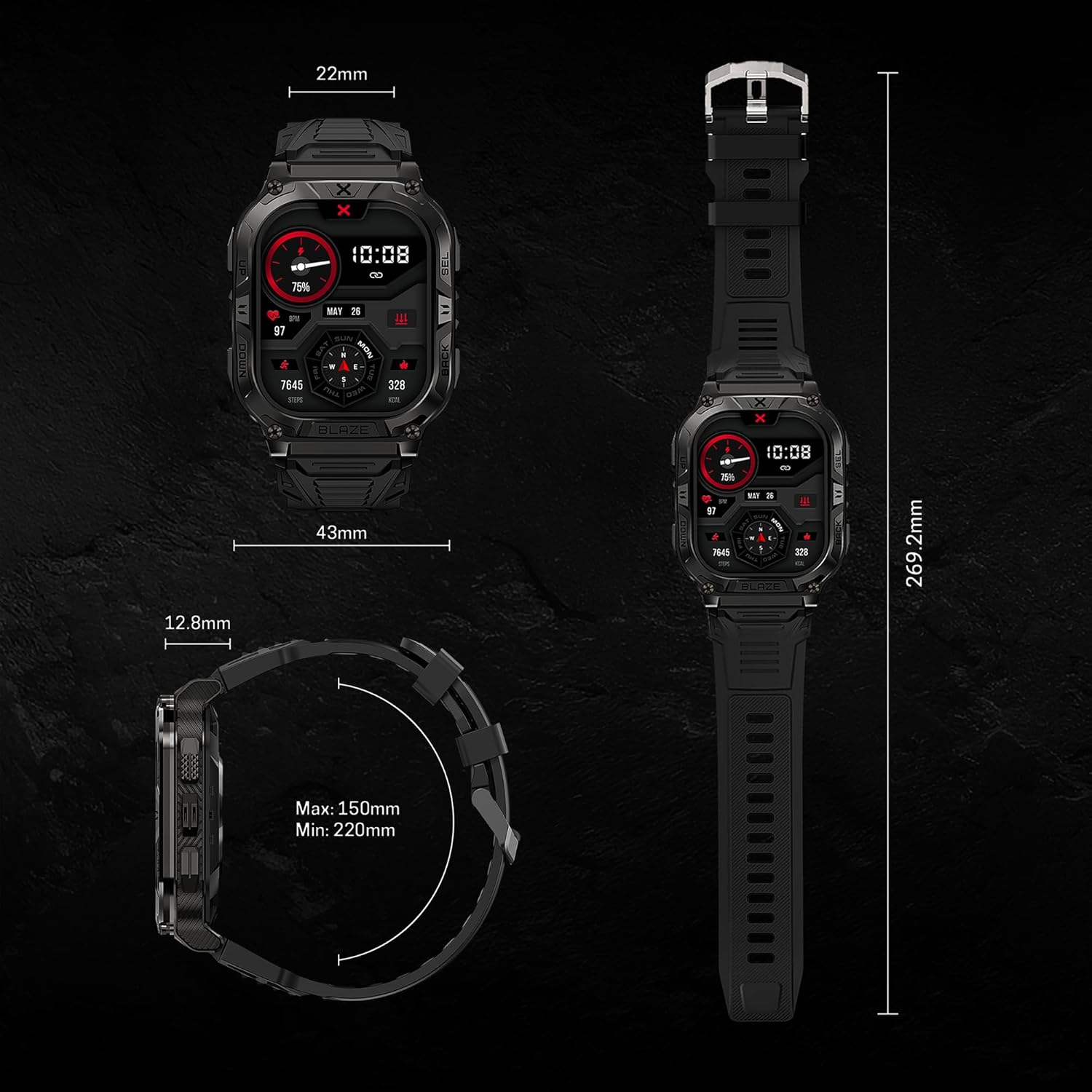
There are trade-offs: the rugged construction can add bulk compared with sleeker wearables, making it less comfortable for users who prefer a minimal profile. Interface nuances and advanced sensor readings may require adjustment, and performance for continuous features like GPS tracking or call use will affect battery life — varies by model/version and usage patterns.
For buyers who need a hardy, feature-rich tracker for diverse sports and outdoor use, the strengths are clear; those prioritizing slimness or clinical-grade accuracy should weigh the compromise between toughness and refinement.
Who This Product Is For
This watch suits active people who want a rugged wearable with onboard GPS and a wide selection of sport profiles. Trail runners, cyclists, and outdoor enthusiasts who need a tough build and reliable activity tracking will appreciate the emphasis on durability and the ability to log different workouts from the wrist.
It’s also a good fit for everyday users who want smartphone-style conveniences without pulling their phone out: hands-free calling, notifications, and cross-platform compatibility make it practical for commuters, field workers, and anyone who wants to keep connected while on the move. The reinforced display and water-resistant construction help it stand up to daily knocks and wet conditions.
Skip this if you prefer a very minimalist fitness band, need clinical-grade health measurements, or want an ultra-slim dress watch. Battery behavior and some capabilities can vary by model/version, so users with very specific runtime or advanced medical-sensor requirements should confirm those details before buying.
As an Amazon Associate, I earn commission on qualified purchases.