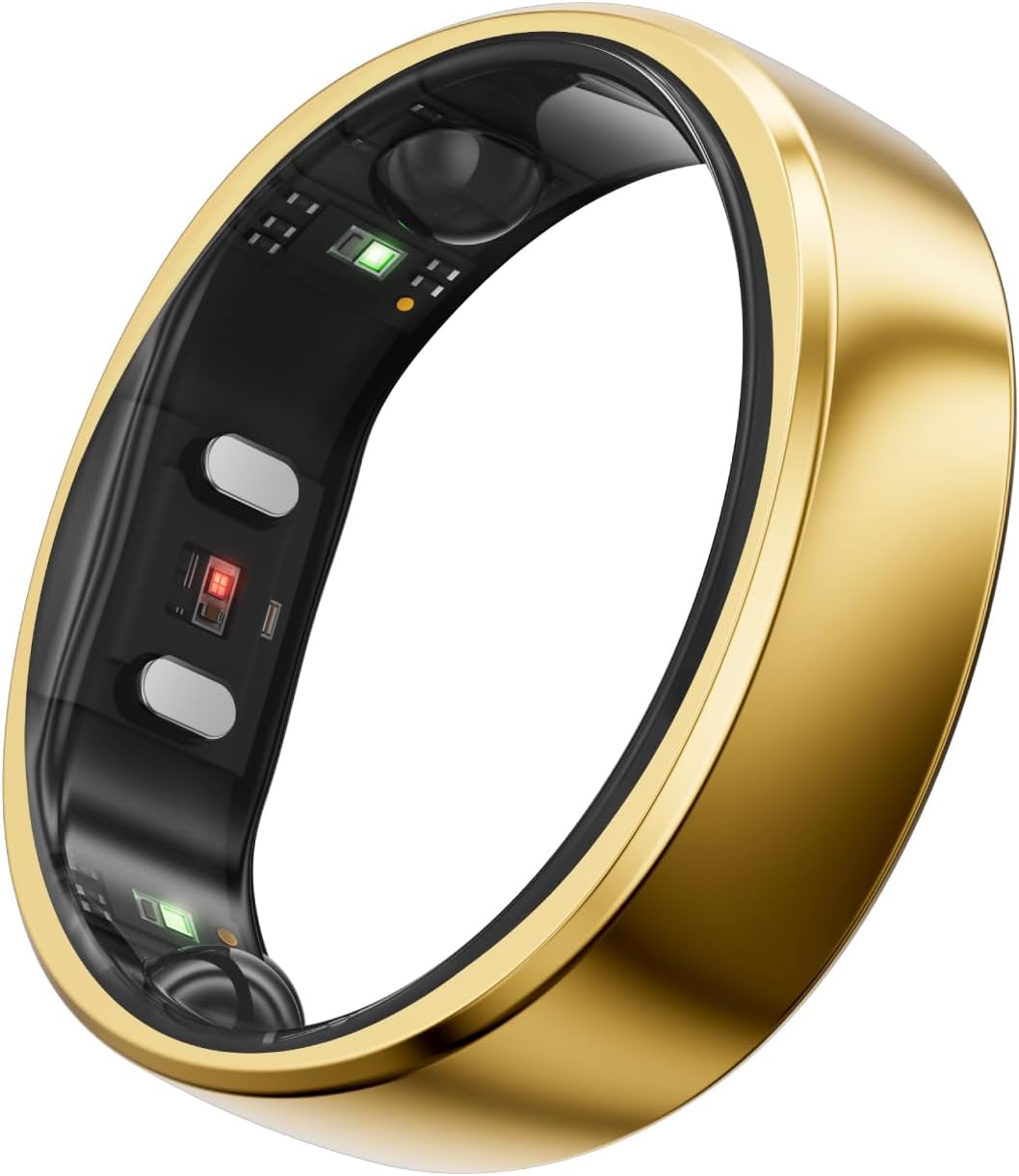
RingConn Gen 2 Smart Ring – Sleep Apnea Monitor, 12d Battery
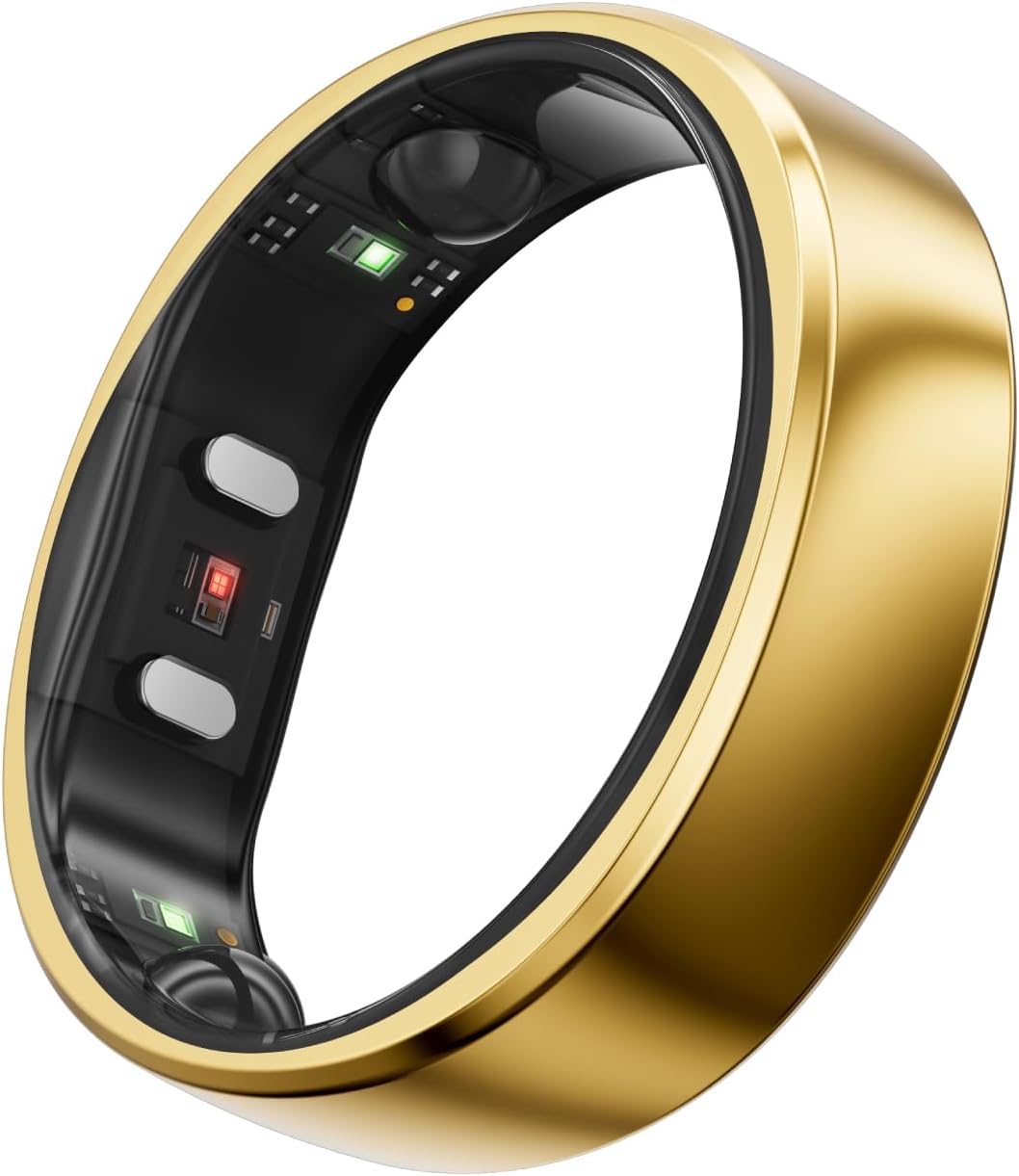
The RingConn Gen 2 is a compact smart ring that tracks sleep, breathing (including sleep apnea indicators), heart rate, stress, and women’s health metrics without a recurring app subscription and with multi-day battery life. It’s designed for unobtrusive, continuous wear and surfaces trend-focused insights via a companion app, while advising clinical follow-up if concerning patterns appear.
Overview
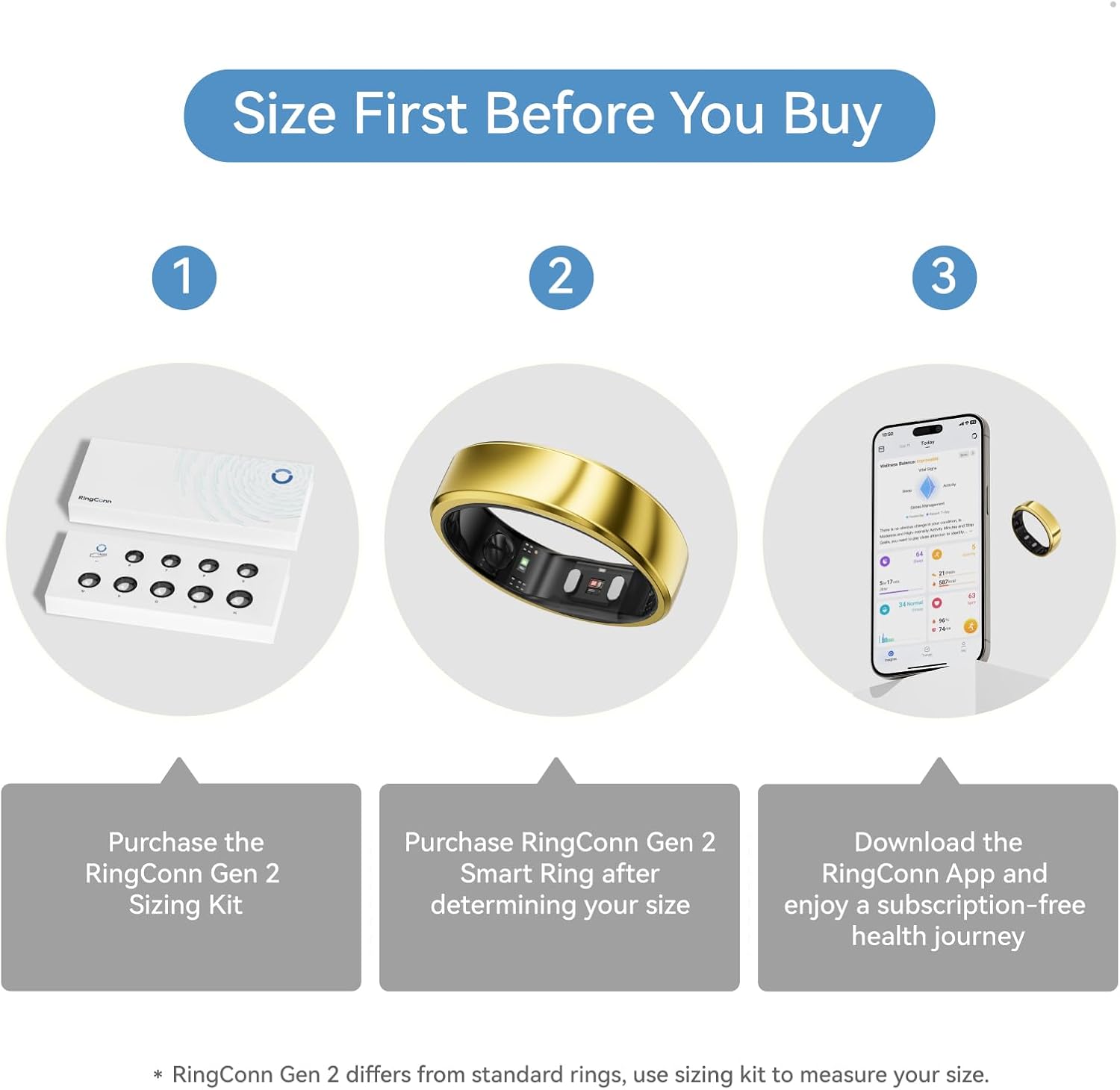
This is a compact, ring-style wearable designed to monitor physiological signals continuously and unobtrusively. Worn on the finger, it collects sleep and breathing data alongside heart rate, stress indicators and metrics tailored to women’s health.
It offers sleep-focused tracking with the ability to flag breathing irregularities, plus around-the-clock biometric monitoring that syncs with smartphone platforms. The device emphasizes a subscription-free experience and a battery designed for multiple days between charges, though specifics vary by model/version.
The target user is someone who wants passive, all-night monitoring without a bulky device or ongoing app fees—people curious about sleep quality, breathing patterns, or general wellness trends. Data can help spot concerning patterns, but it should be used as an informational tool rather than a medical diagnosis; for health concerns, seek professional evaluation.
Key Features
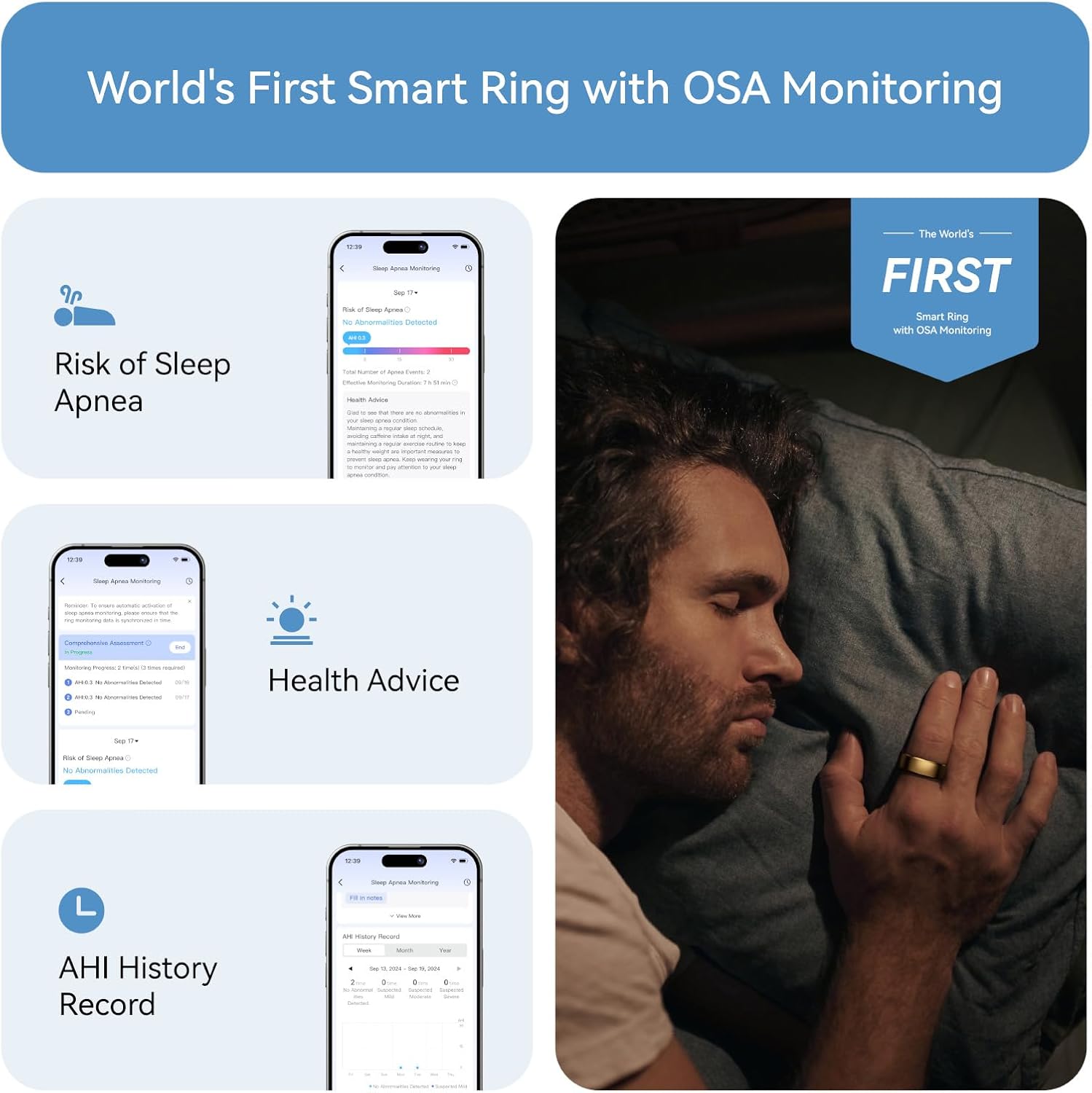
The device combines continuous heart-rate and motion sensing with a dedicated sleep-breathing monitor to surface patterns that may indicate disrupted breathing during the night. Daytime stress tracking and heart-rate trends help flag periods of elevated autonomic load, while women’s health features track cycle-related signals so users can see correlations between physiological data and symptoms. These functions are designed to deliver actionable lifestyle insights rather than replace clinical evaluation.
Being subscription-free removes recurring fees and simplifies ongoing use, and cross-platform compatibility with Android and iOS makes pairing straightforward for most phones. Extended battery life reduces charging interruptions, which supports more consistent overnight and daytime monitoring without having to dock the ring every day.
Practical usability is focused on discreet, all-day wear: the gold finish and size 6 option make it subtle on the hand, and companion software provides summaries and trend views so you can review sleep quality and biometric changes over time. Specifics like cloud features, water resistance, and advanced analytics vary by model/version, so check the listing details for the exact configuration.
Real-World Performance
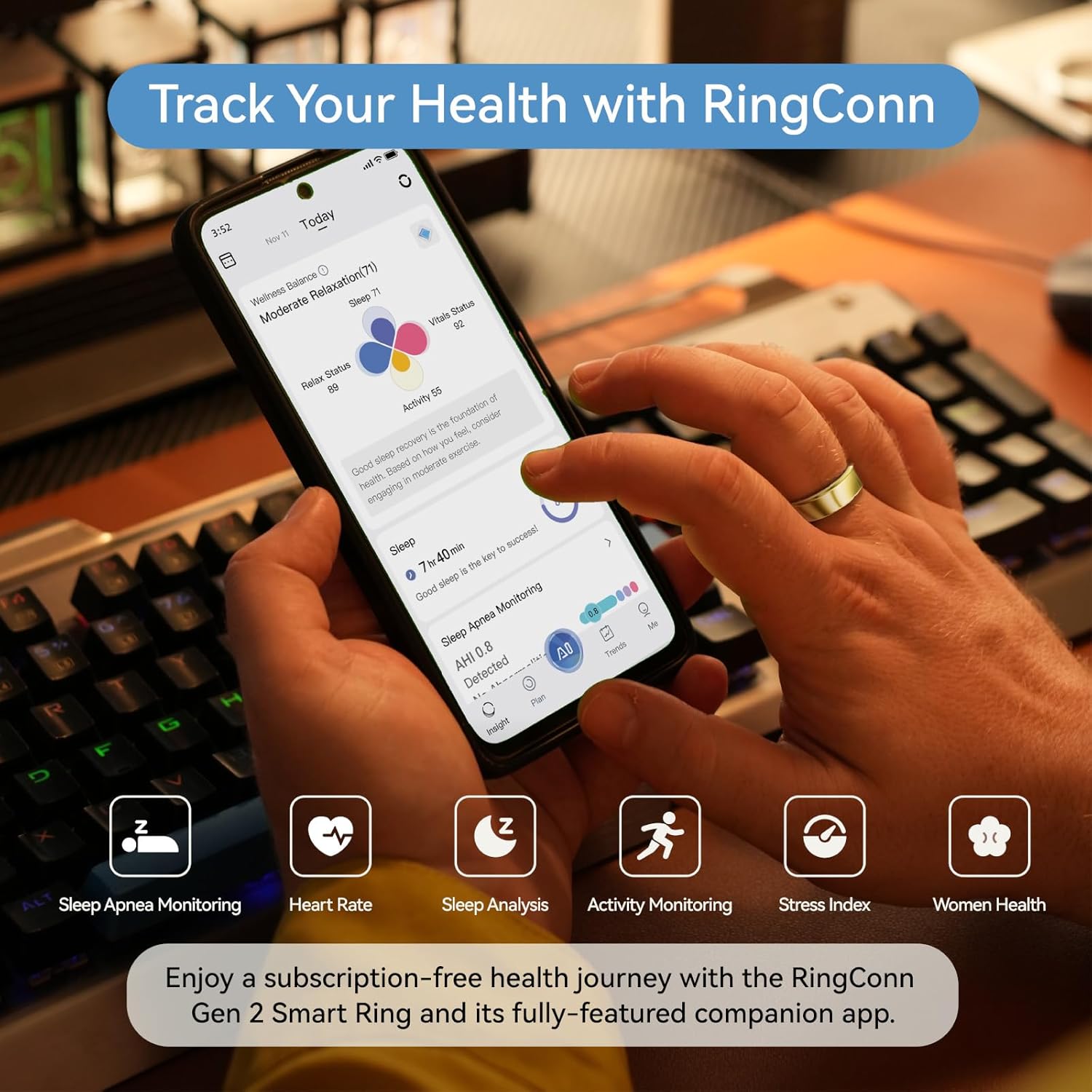
In daily use the ring reliably captures trends rather than providing clinical-grade readings. Heart rate, stress markers and menstrual-cycle indicators produce clear, easy-to-interpret charts that help spot changes over weeks. The sleep-related feature that watches for breathing disturbances can surface possible signs of disrupted breathing, but it should be treated as an early-warning tool rather than a formal diagnosis.
Comfort is a strong point: the form factor is low-profile and tolerable for daytime tasks and overnight wear, so users can gather continuous data without frequent removal. Battery behavior and recharge cadence are easy to work into a routine, though actual runtime varies by model/version and by how intensively sensors are used.
The companion app presents data in plain language and groups insights in a way that most people can act on. Syncing is usually seamless, but occasional delays or missed uploads can happen depending on phone model and settings. Core features do not require an ongoing subscription, which simplifies access to historical trends.
There are practical limits to be aware of: sensor accuracy depends on fit and motion, so a snug, correct size yields the best results. Movement, extreme activity, or poor contact can increase noise in the readings. For any significant health concerns flagged by the device, follow-up with a healthcare professional and formal testing is recommended.
Ease of Use and Maintenance

Initial setup is generally straightforward: the companion smartphone app guides you through pairing, permission prompts, and any necessary calibration. If pairing fails, toggling Bluetooth or restarting the phone usually resolves most hiccups, and the quick-start guide or support resources cover common troubleshooting steps.
Charging and software upkeep are handled through the included charging accessory and the app-based update flow. Exact runtime between charges varies by model/version and your usage patterns, and firmware updates occasionally improve stability or add features, so it’s a good idea to install updates when prompted.
Routine cleaning is simple — wipe with a soft cloth and mild soap, avoiding abrasive cleaners and harsh chemicals that could affect finishes or sensors. For replacements or warranty service related to sizing or charging accessories, check manufacturer support or the retailer where you purchased, since available options and coverage vary.
Pros and Trade-Offs
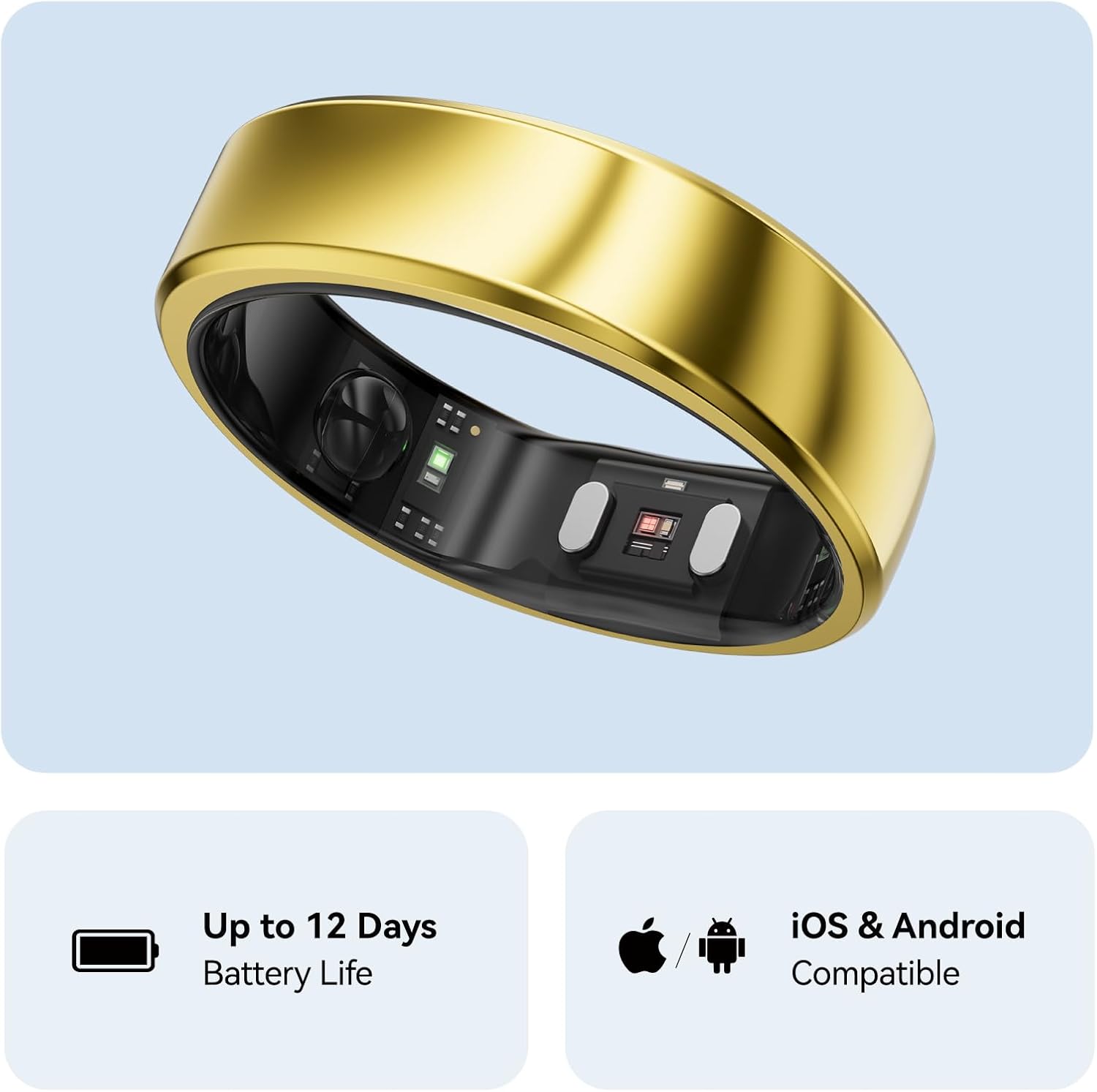
The device shines as a discreet, wearable health tracker that consolidates sleep, heart rate, stress and women’s health metrics into a single form factor. Its ability to monitor breathing-related sleep issues is a standout for people wanting early visibility into potential sleep-disordered breathing without committing to an overnight clinical study. Subscription-free usage and broad mobile compatibility make ongoing use simpler for many buyers, while multi-day battery performance reduces charge interruptions.
At the same time, on-device monitoring should be seen as screening and trend-tracking rather than a definitive medical diagnosis. Readings can highlight patterns and prompt follow-up, but any concerning results are best evaluated by a healthcare professional. Data quality depends on consistent wear and proper sizing, so obtaining the right fit and wearing it regularly matters for reliable trends.
There are practical trade-offs: advanced insights are often presented in the companion software and some features or data granularity may vary by model/version. Users who prefer a large display or immediate on-device controls may find the small form factor limiting, and people seeking guaranteed clinical-grade results will still need formal testing.
Overall, this option offers strong convenience and unobtrusive long-term monitoring for health-conscious users and those curious about sleep breathing patterns, while buyers with strict clinical needs or comfort concerns should weigh those limitations before deciding.
Who This Product Is For
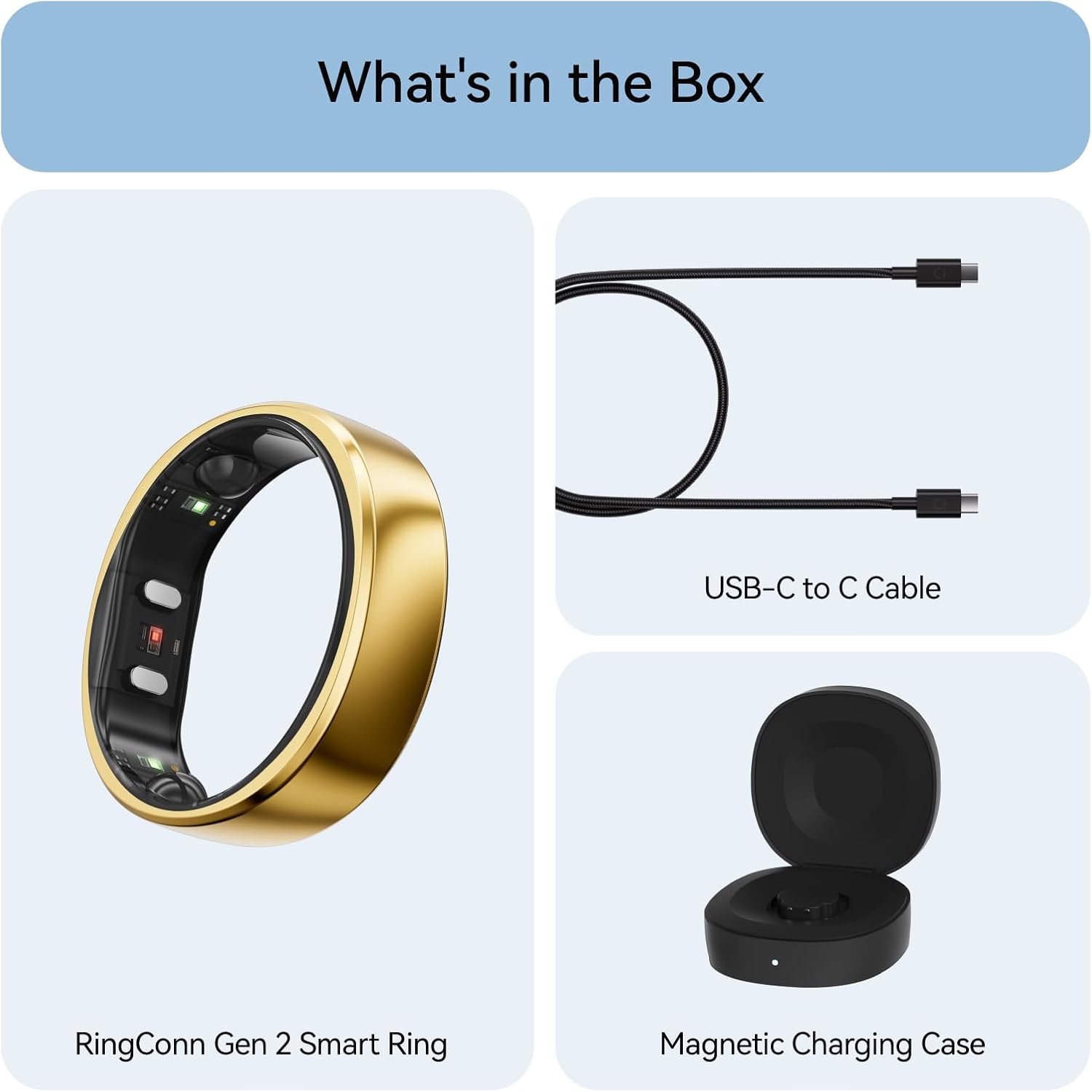
Ideal for people who prioritize overnight health insights but want a subtle, jewelry-like form factor rather than a wrist device. Those curious about breathing-related sleep metrics, ongoing heart-rate and stress trends, or tracking menstrual and women’s health signals will find the approach unobtrusive for day-to-day wear and night-time monitoring.
Also a good fit for commuters, frequent travelers, and busy professionals who value low-maintenance wearables: it’s intended to be compatible with common smartphone platforms and to minimize the need for constant interaction. Buyers who prefer gadgets that don’t rely on recurring subscription fees or who want straightforward, hands-off data collection will appreciate that design choice.
Not recommended for people who need a full smartwatch experience with large-screen apps and extensive notification handling, or for anyone who prefers not to wear jewelry while sleeping. And while the device can surface useful health patterns, it isn’t a replacement for professional medical evaluation—consult a clinician if you suspect a sleep disorder or other serious condition.
As an Amazon Associate, I earn commission on qualified purchases.